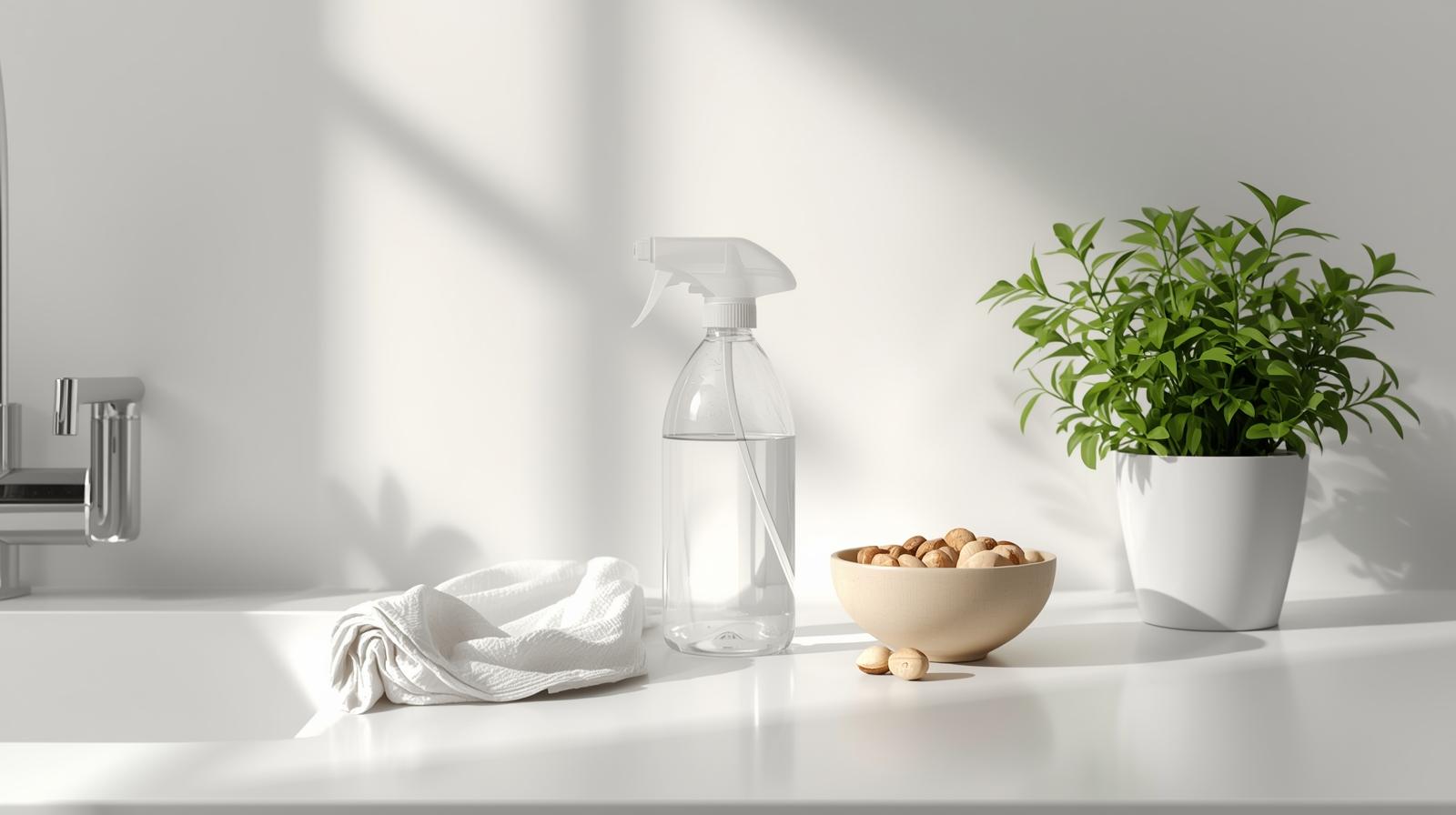
Fragrance-Free Cleaning & Laundry

The simplest approach is to remove fragrance from high-contact products first (laundry, dish, body). That usually reduces exposure more than switching a dozen surface sprays.

Last updated: February 2, 2026

Fragrance-free home — why scent can be a problem (and what to change first)

“Fragrance” on a label can mean a blend of many ingredients (including essential oils). Some people tolerate it fine; others get skin, airway, or headache symptoms.

The most effective approach is usually a short trial: remove the biggest fragrance sources first, then reintroduce slowly if you want to.

Educational information only — not medical advice. If symptoms are severe, persistent, or worrying, use NHS guidance or speak to a clinician.

Why it matters

  • Laundry and cleaning products sit close to the body (clothes, bedding) — so scent can be a high-impact exposure for sensitive skin.
  • Air fresheners and sprays can add irritants to indoor air, especially in small or poorly ventilated rooms.
  • A fragrance-free baseline makes it easier to spot what actually triggers symptoms in your household.

Common causes

  • Scent boosters, fabric conditioners, and heavily perfumed detergents.
  • Plug-in fresheners, candles, incense, room sprays.
  • Multi-surface sprays and “disinfectant” aerosols used frequently without ventilation.
  • Personal care products with “parfum/fragrance” high on the list.

Quick check at home

  • Read labels for “parfum/fragrance” (and often essential oils). If you react, a true fragrance-free product is the cleanest test.
  • Do a 2‑week “scent reset”: remove the top 2–3 sources (laundry + air freshener + one personal care product).
  • If you have skin symptoms, note where they show up (hands, eyelids, body) — it can hint at the trigger.

How it can affect health

  • Fragrance and preservatives can contribute to contact dermatitis in sensitive people (especially with repeated exposure).
  • Sprays and strong scents can irritate airways for some people with asthma or allergies.
  • Headaches/migraines can be scent-triggered for some individuals.

First steps (no spend)

  • Stop using scent boosters and fabric conditioner for a trial period.
  • Ventilate during and after cleaning; avoid spraying into the air when possible.
  • Switch to “less but better”: fewer products, used correctly, with good rinsing.
When to get help
  • If you have persistent or severe dermatitis, follow NHS guidance and consider clinician advice (especially for face/eyelid eczema).
  • If breathing symptoms worsen with scents/sprays, follow asthma/allergy guidance and seek medical advice if needed.

At a glance

Start here

  • Switch laundry detergent first (skin contact all day).
  • Then dish soap and hand soap.
  • Then cleaners and sprays.

What to watch for

  • Look for parfum/fragrance in ingredient lists.
  • Essential oils can be a trigger even in “natural” products.
  • Use the right dose; consider an extra rinse for bedding.

Common mistakes

  • Buying “natural” products that are still heavily scented.
  • Overdosing detergent and leaving residue.
  • Masking smells instead of removing the source.

Options (compare links)

If you’ve done the “no-spend” basics, these broad links help you compare price and availability.

Ecover ZERO laundry liquid (fragrance-free)

Allergy UK approved

Fragrance-free and designed for sensitive skin.

  • Fragrance-free
  • Mainstream availability
  • Consider refills if available

Surcare non-bio laundry liquid (0% fragrance)

Sensitive

A popular sensitive-skin option in UK supermarkets.

  • 0% fragrance/dyes/enzymes
  • Useful for bedding and towels

Bio-D laundry liquid (fragrance-free)

Refill-friendly

Often available in larger bottles/refills.

  • Fragrance-free
  • Check refill sizes/availability

White vinegar (laundry rinse helper)

Budget

Sometimes used to reduce musty smells. Use sparingly and avoid on delicate fabrics.

Filters
  • Low cost
  • Use occasionally, not as a fragrance replacement

Common questions

Short answers to the questions that come up most often.

Is “unscented” the same as fragrance-free?

Not always. “Unscented” can mean fragrance is used to mask smells. “Fragrance-free” is clearer, but still check the ingredient list for parfum/fragrance and essential oils if you react to them.

What should I switch first?

Start with high-contact products: laundry detergent, dish soap, hand soap, and body products. Then move to sprays and surface cleaners.

Do essential oils count as fragrance?

For many sensitive people, yes. Essential oils are still scented compounds and can trigger symptoms even when the product is labelled “natural”.

Why can overdosing detergent make things worse?

Too much detergent can leave residue in fabrics. For sensitive skin, a correct dose and an extra rinse can be more comfortable than stronger products.

Some links are affiliate links. If you buy via them, we earn a commission.

Free: Low‑Tox Shopping List + weekly shortlists + calm insights (no spam).