
Anti-inflammatory-style shopping list: simple staples
“Anti-inflammatory” works best as a pattern: more fibre and colourful plants, sensible fats, and fewer ultra‑processed extras. This list is food-first and UK-friendly.
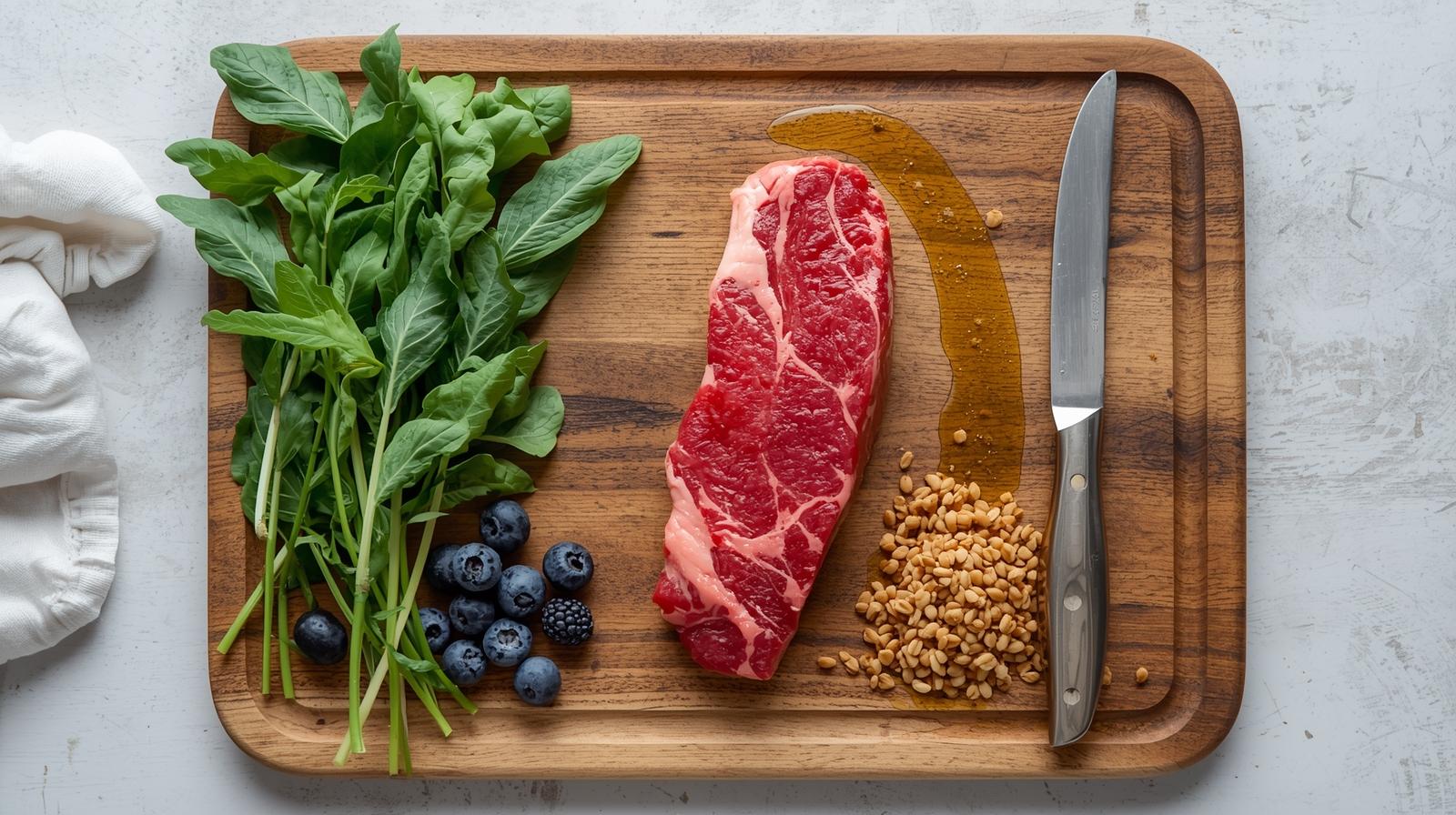
Last updated: February 2, 2026 · Wild & Well Editorial Team
Before the shortlist
Understand the problem before buying the fix
Food shortlists work best when they’re simple: staples you’ll actually eat, stored properly.
Educational information only — not medical advice.
Why it matters
- Nutrition changes stick when they reduce friction: a few staples you actually use beats chasing “perfect” ingredients.
- Storage and repeatability matter — rancid oils and stale seeds undermine quality more than brand names.
Try this before spending
- Pick two protein+fibre breakfasts you can repeat (e.g., oats + seeds, eggs + veg).
- Plan one “default” lunch and one “default” dinner you can rotate weekly.
Standards & sources
References used on this page
Staples (buy once, use all week)
At-a-glance comparison
A simple weekly basket
Compare the job each option suits before following a retailer link.
| Group | Examples | Easy use |
|---|---|---|
| Healthy fats | Extra virgin olive oil; nuts/seeds | Dressings, veg, soups |
| Fibre base | Oats; legumes; wholegrains | Breakfast, lunches |
| Colour | Berries; leafy greens; peppers | Add 1–2 portions/day |
| Flavour | Garlic, ginger, herbs, spices | Make meals taste good |
| Protein | Eggs, yoghurt, fish, beans | Simple, repeatable meals |
On smaller screens, swipe sideways to compare every column.
How to use this list
- Choose one “default” breakfast (oats, yoghurt, eggs) and repeat it.
- Build lunches around fibre + protein (beans, lentils, tinned fish, leftovers).
- Add colour: one extra portion of fruit/veg per day is a win.
- Keep snacks simple (fruit + nuts; yoghurt + berries). See: snack shortlist.
Related shortlists
This page is informational and not medical advice.
Next step
Learn first, then compare the maintained options.
This page answers a specific search question. The central shortlist is where Wild & Well keeps the broader commercial decision up to date.Make one change at a time so you can tell what actually helped.
Make the next decision easier
Occasional Wild & Well notes with practical actions, useful comparisons and no-pressure product guidance.
By subscribing you agree to our privacy policy. Unsubscribe anytime.
FAQ
Quick answers to the questions people usually have before buying.
How do I choose staples without overthinking?
Pick foods you’ll use weekly. Consistency beats novelty.
Does storage really matter?
Yes. Oils and ground seeds lose quality faster with heat, light, and air.
Is organic always necessary?
Not always. Prioritise what you eat most often and what fits your budget.
How do I avoid wasting money?
Buy smaller amounts first and only scale up once you know you’ll use them before freshness drops.
What’s the easiest win?
Simple staples: oats, olive oil, seeds — stored well and used regularly.