
When nutrition advice gets noisy, it helps to step back and ask:
What foods can I buy that make it easier to eat well on autopilot?
That usually means single‑ingredient staples.
The staples (and why they work)
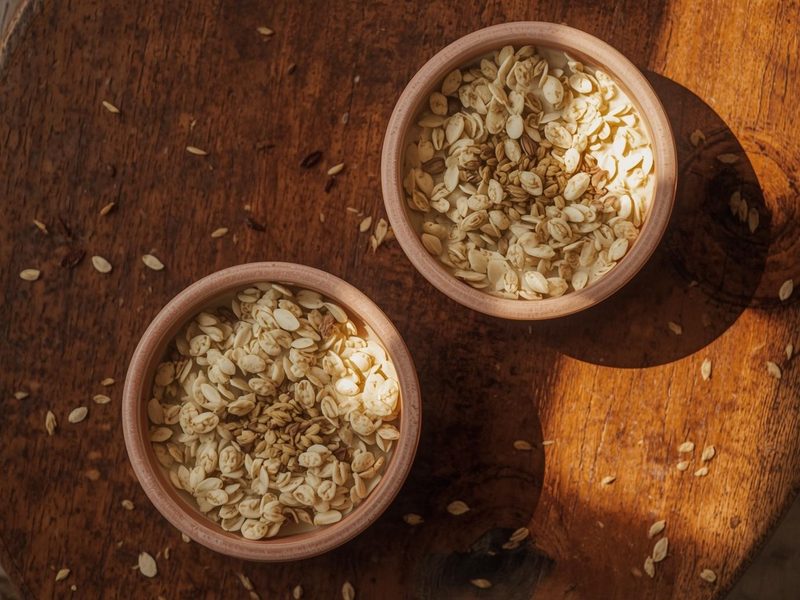
- Oats: cheap, flexible, easy breakfast base.
- Olive oil (EVOO): a useful everyday fat that makes simple meals taste good.
- Beans/lentils: fibre + protein + convenience.
- Frozen veg: it’s there when you don’t have energy.
- Fruit: the easiest “snack upgrade”.
- Eggs / yoghurt / tinned fish: simple protein anchors.
Where the problems sneak in
Modern shopping makes it easy to buy “health” products that are basically sweets with vitamins.
A quick filter:
- If the ingredient list is long and reads like a lab, it’s probably a product, not a food.
If you buy staples online, what to look for
- Freshness cues (harvest/best-before dates where relevant)
- Storage (dark glass for oils; resealable pouches for seeds)
- Simplicity (avoid unnecessary flavours/sweeteners)
Shortlists
- extra virgin olive oil (UK): shortlist
- organic oats (UK): shortlist
- fermented foods to start with: shortlist
This isn’t “perfect nutrition.” It’s a system that makes good decisions easier.
Make the next decision easier
Occasional Wild & Well notes with practical actions, useful comparisons and no-pressure product guidance.
By subscribing you agree to our privacy policy. Unsubscribe anytime.
Related reading
Keep learning — then choose the simplest next step.
 Explainer
Home strength basics for busy people
A simple UK home-strength framework using bodyweight first, progressive resistance second and the smallest routine you can repeat.
 Explainer
Food labels without the noise: a practical UK guide
How to compare UK food labels using ingredients, per-100g nutrition, front-of-pack colours and serving size without turning shopping into a nutrition exam.
 Insight
Air Purifier for Pet Dander UK: A Healthier-Home Guide
Evidence-led UK guidance for reducing pet-allergen exposure at home, choosing an air purifier, cleaning routines, bedroom boundaries and filter costs.
 Explainer
Air Purifier for Pollen UK: What Helps During Hay Fever Season?
A practical UK guide to reducing pollen indoors, deciding whether an air purifier is worthwhile, sizing it for a bedroom and budgeting for filters.
 Insight
Dog Supplements UK: An Evidence-First Guide to Claims and Labels
How to assess UK dog supplements for joints, digestion, skin and general wellness without confusing ingredient marketing with product evidence.
 Insight
Healthy Weight and Exercise for Dogs UK: A Practical Routine
A UK guide to dog body condition, portions, treats, daily movement, tracking and signs that need veterinary advice.