

Understand first
Education-first • not medical adviceWhy this matters (expanded)
What’s going on
Nutrition gets confusing because marketing is loud and the basics are quiet. A practical starting point is adequate protein and fibre, a varied diet built mostly around minimally processed foods, and habits that fit normal life.
Why it matters
Simple, repeatable food choices tend to be more useful than complicated rules or constantly changing products. Supplements can have a role, but they should not displace the food and routine basics.
Common causes
- Convenience patterns crowding out useful staple foods.
- Packaged foods being judged by marketing language rather than their overall fit.
- Overcomplicated plans that are difficult to repeat.
No-spend first steps
- Add one useful protein source to a meal that is currently light on protein.
- Add a fibre-rich food such as beans, oats, fruit or vegetables regularly.
- Keep a small set of easy staples available for busy days.
If you’re buying anything, use this calm checklist
- Use convenience products to solve a real time or access problem.
- Keep supplement claims conservative and check suitability where relevant.
- Prefer products that complement rather than replace a workable diet.
General information only. If you have symptoms or a medical condition, consult a qualified clinician.
If there’s one nutrition “upgrade” that shows up again and again, it’s more fibre.
Not because fibre is trendy — but because modern diets make it unusually easy to eat lots of calories with very little fibre.
Why fibre matters
Fibre is linked with:
- Better digestive regularity
- Improved satiety (you feel full)
- Healthier blood sugar response (for many people)
- Supporting a diverse gut microbiome (what you feed the microbes matters)
You don’t need perfect numbers. You need repeatable habits.
Why people struggle in 2026
A few modern realities:
- Many “healthy” snacks are still low-fibre
- Convenience foods crowd out legumes/veg
- People fear carbs, so they avoid fibre-rich foods like oats and beans
The simplest ways to add fibre (no spreadsheet required)
Pick two of these and you’re already ahead:
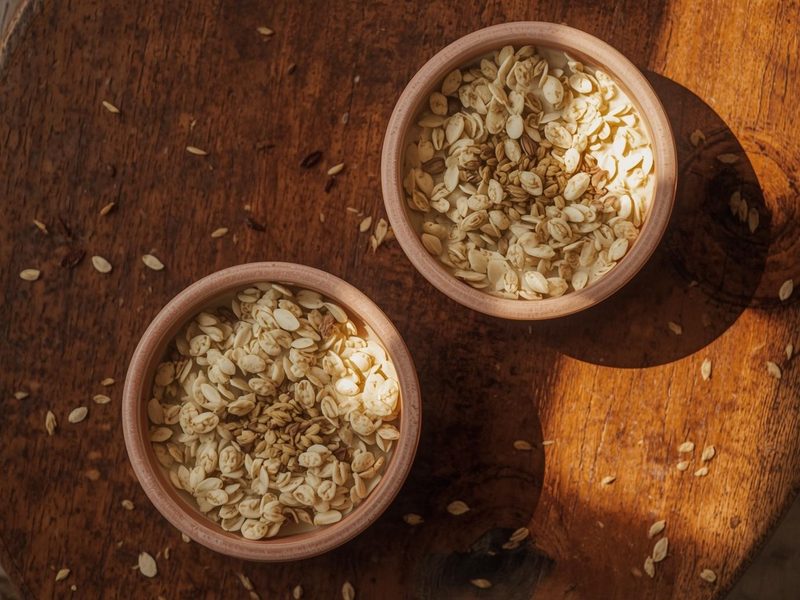
- Oats (porridge / overnight oats)
- Beans/lentils (a tin into a meal twice a week)
- Berries (frozen is fine)
- Seeds (chia or ground flax)
- Veg at lunch and dinner (one “extra veg” default)
Smart supplements vs real food
If you’re considering a fibre supplement, start with food first. If you still want a supplement, keep it simple and increase slowly — and be mindful of your tolerance.
Practical product shortlists
Tip: If you’re new to seeds, start small and increase gradually.
Make the next decision easier
Occasional Wild & Well notes with practical actions, useful comparisons and no-pressure product guidance.
By subscribing you agree to our privacy policy. Unsubscribe anytime.
Related reading
Keep learning — then choose the simplest next step.
 Explainer
Home strength basics for busy people
A simple UK home-strength framework using bodyweight first, progressive resistance second and the smallest routine you can repeat.
 Explainer
Food labels without the noise: a practical UK guide
How to compare UK food labels using ingredients, per-100g nutrition, front-of-pack colours and serving size without turning shopping into a nutrition exam.
 Insight
Air Purifier for Pet Dander UK: A Healthier-Home Guide
Evidence-led UK guidance for reducing pet-allergen exposure at home, choosing an air purifier, cleaning routines, bedroom boundaries and filter costs.
 Explainer
Air Purifier for Pollen UK: What Helps During Hay Fever Season?
A practical UK guide to reducing pollen indoors, deciding whether an air purifier is worthwhile, sizing it for a bedroom and budgeting for filters.
 Insight
Dog Supplements UK: An Evidence-First Guide to Claims and Labels
How to assess UK dog supplements for joints, digestion, skin and general wellness without confusing ingredient marketing with product evidence.
 Insight
Healthy Weight and Exercise for Dogs UK: A Practical Routine
A UK guide to dog body condition, portions, treats, daily movement, tracking and signs that need veterinary advice.