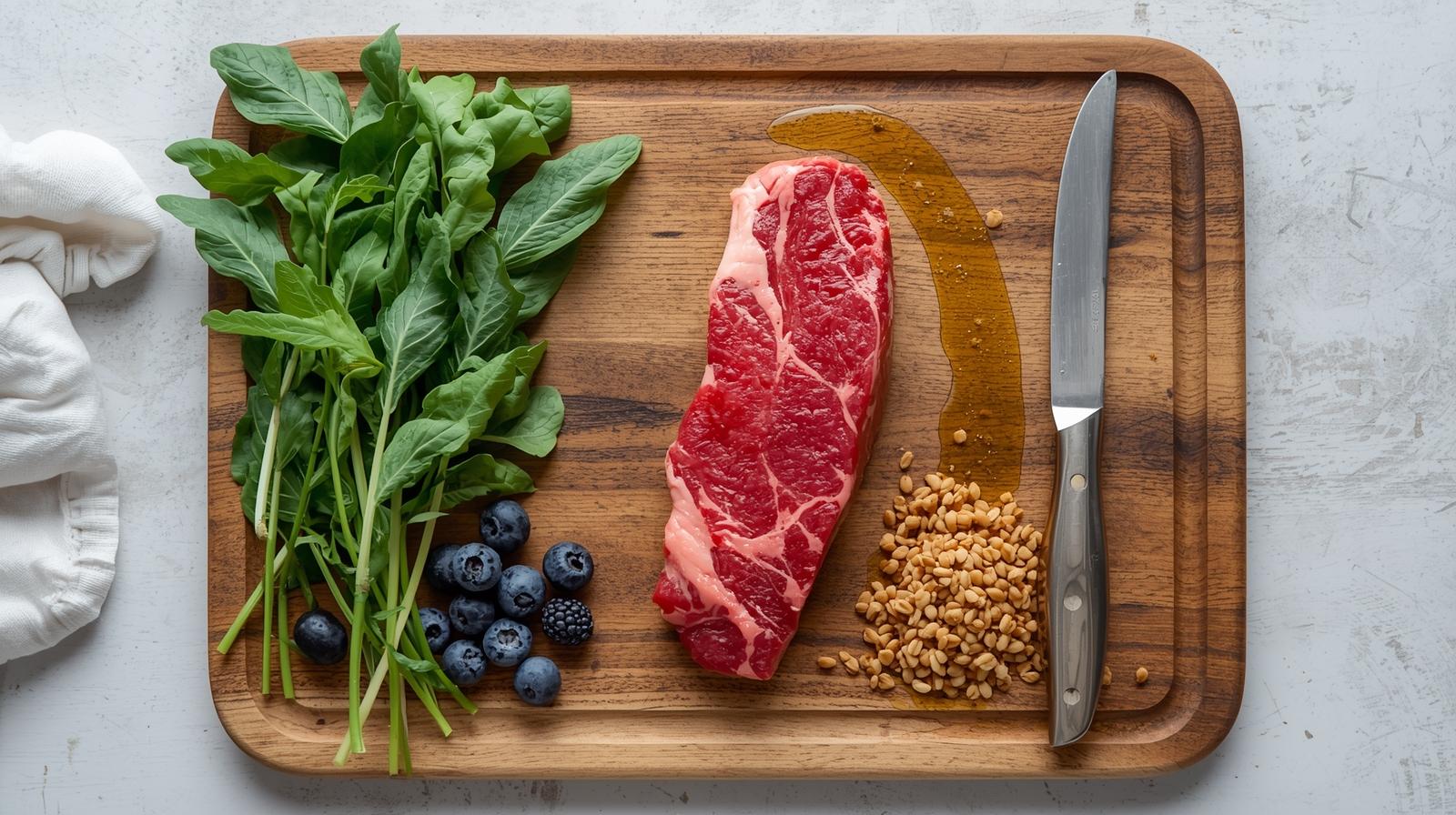
Ground flaxseed (UK): simple shortlist
A shortlist of ground flaxseed (linseed) and how to store it so it stays fresh. Great for oats, yoghurt, and baking.

Understand the basics
Food shortlists work best when they’re simple: staples you’ll actually eat, stored properly.
Educational info only — not medical advice.
Why it matters
- Nutrition changes stick when they reduce friction: a few staples you actually use beats chasing “perfect” ingredients.
- Storage and repeatability matter — rancid oils and stale seeds undermine quality more than brand names.
First steps (no spend)
- Pick two protein+fibre breakfasts you can repeat (e.g., oats + seeds, eggs + veg).
- Plan one “default” lunch and one “default” dinner you can rotate weekly.
Start here
- Pick staples you’ll use weekly (oats, olive oil, seeds) — not ‘perfect’ superfoods.
- Storage matters: light/heat/air ruin freshness faster than people think.
- Choose the form you’ll actually use (ground vs whole; rolled vs jumbo).
What to look for
- Freshness cues (harvest/pack dates when available).
- Simple ingredients and sensible packaging.
- Storage instructions that match your routine.
Avoid
- Buying large amounts you won’t finish before quality drops.
- Falling for expensive ‘health halo’ branding.
- Ignoring storage (especially for oils and ground seeds).
How we evaluate
- Whole-food baseline first: protein, fibre, and enough calories for your goals.
- Fewer ingredients and fewer ultra-processed extras where possible.
- Practicality: what you can repeat weekly without stress.
When it’s not worth buying
- If you’re managing a medical condition: use clinician advice as your anchor.
Quick comparison
Scan the best‑for label, one key note, and one trade‑off.
| Option | Best for | Key note | Trade‑off |
|---|---|---|---|
| Organic ground flaxseed (linseed) | all-round | Easy to add to oats, yoghurt, and baking. | Check packaging |
| Flaxseed (whole) + grinder | Freshness control | Whole seeds keep longer; grind small batches. | Grind as needed |
| Golden flaxseed (ground) | Taste preference | Milder flavour for some people. | Check freshness |
| Flaxseed meal (baking) | Baking | Often marketed for baking; check it’s just flax. | Check ingredients |
| Ground flax in resealable pouch | Convenient | Resealable packaging helps keep it fresher. | Seal tightly |
| Flax + fibre blends | Optional | Only if ingredients are simple and you know why you want it. | Avoid proprietary blends |
At a glance
A short, practical shortlist plus the label cues that matter (freshness, ingredients, and how you’ll actually use it).
Last updated: February 2, 2026 · Wild & Well Editorial Team
Top options (shortlist)
Three solid starting points, then a fuller list below.
Organic ground flaxseed (linseed)
all-roundEasy to add to oats, yoghurt, and baking.
- Easy add-in
- Check packaging
- Store cool/dry
Flaxseed (whole) + grinder
Freshness controlWhole seeds keep longer; grind small batches.
- Keeps longer
- Grind as needed
- More effort
Golden flaxseed (ground)
Taste preferenceMilder flavour for some people.
- Milder taste
- Check freshness
- Store well
Full shortlist
Choose based on your needs (space, budget, comfort, and how often you’ll actually use it).
Organic ground flaxseed (linseed)
all-roundEasy to add to oats, yoghurt, and baking.
- Easy add-in
- Check packaging
- Store cool/dry
Flaxseed (whole) + grinder
Freshness controlWhole seeds keep longer; grind small batches.
- Keeps longer
- Grind as needed
- More effort
Golden flaxseed (ground)
Taste preferenceMilder flavour for some people.
- Milder taste
- Check freshness
- Store well
Flaxseed meal (baking)
BakingOften marketed for baking; check it’s just flax.
- Good for baking
- Check ingredients
- Avoid added sugars
Ground flax in resealable pouch
ConvenientResealable packaging helps keep it fresher.
- Convenient
- Seal tightly
- Use within weeks/months
Flax + fibre blends
OptionalOnly if ingredients are simple and you know why you want it.
- Check ingredients
- Avoid proprietary blends
- Start small
How we build our shortlists
Our approach here is: sensible features, consistent buyer reviews, and a realistic fit for most people.
Always check sizing/specs and current pricing before you buy. If a product makes strong health claims without evidence, treat that as marketing.
Some links are affiliate links. If you buy via them, we earn a commission.
Keep learning (then choose)
If you’re not 100% sure yet, these are the quickest pages to read before you commit money.
Tip: make one change at a time so you can tell what actually helped.
Free: Low‑Tox Shopping List
A beginner-friendly shortcut with simple swaps for air, water, cleaning and sleep — in plain English.
By subscribing you agree to our privacy policy. Unsubscribe anytime.
FAQ
Quick answers to the questions people usually have before buying.
How do I choose staples without overthinking?
Pick foods you’ll use weekly. Consistency beats novelty.
Does storage really matter?
Yes. Oils and ground seeds lose quality faster with heat, light, and air.
Is organic always necessary?
Not always. Prioritise what you eat most often and what fits your budget.
How do I avoid wasting money?
Buy smaller amounts first and only scale up once you know you’ll use them before freshness drops.
What’s the easiest win?
Simple staples: oats, olive oil, seeds — stored well and used regularly.