
Understand first
Education-first • not medical adviceWhy this matters (expanded)
What’s going on
Movement does not require a complex programme or a large equipment setup. Regular walking, simple strength work and gradual progression form a practical base for most everyday movement goals.
Why it matters
The routine that is repeated matters more than the impressive routine that is abandoned. Equipment is useful when it removes a real barrier or expands what an established habit can do.
Common causes
- All-or-nothing plans that are difficult to sustain.
- Increasing volume or intensity too quickly.
- Treating tracking and equipment as the activity itself.
No-spend first steps
- Build regular walking into the week.
- Add short bodyweight strength sessions before buying a large setup.
- Increase time, distance or load gradually.
If you’re buying anything, use this calm checklist
- Name the limitation the equipment will solve before purchasing.
- Prioritise fit, comfort, returns and long-term usefulness.
- Start with the smallest setup that supports the routine.
General information only. If you have symptoms or a medical condition, consult a qualified clinician.
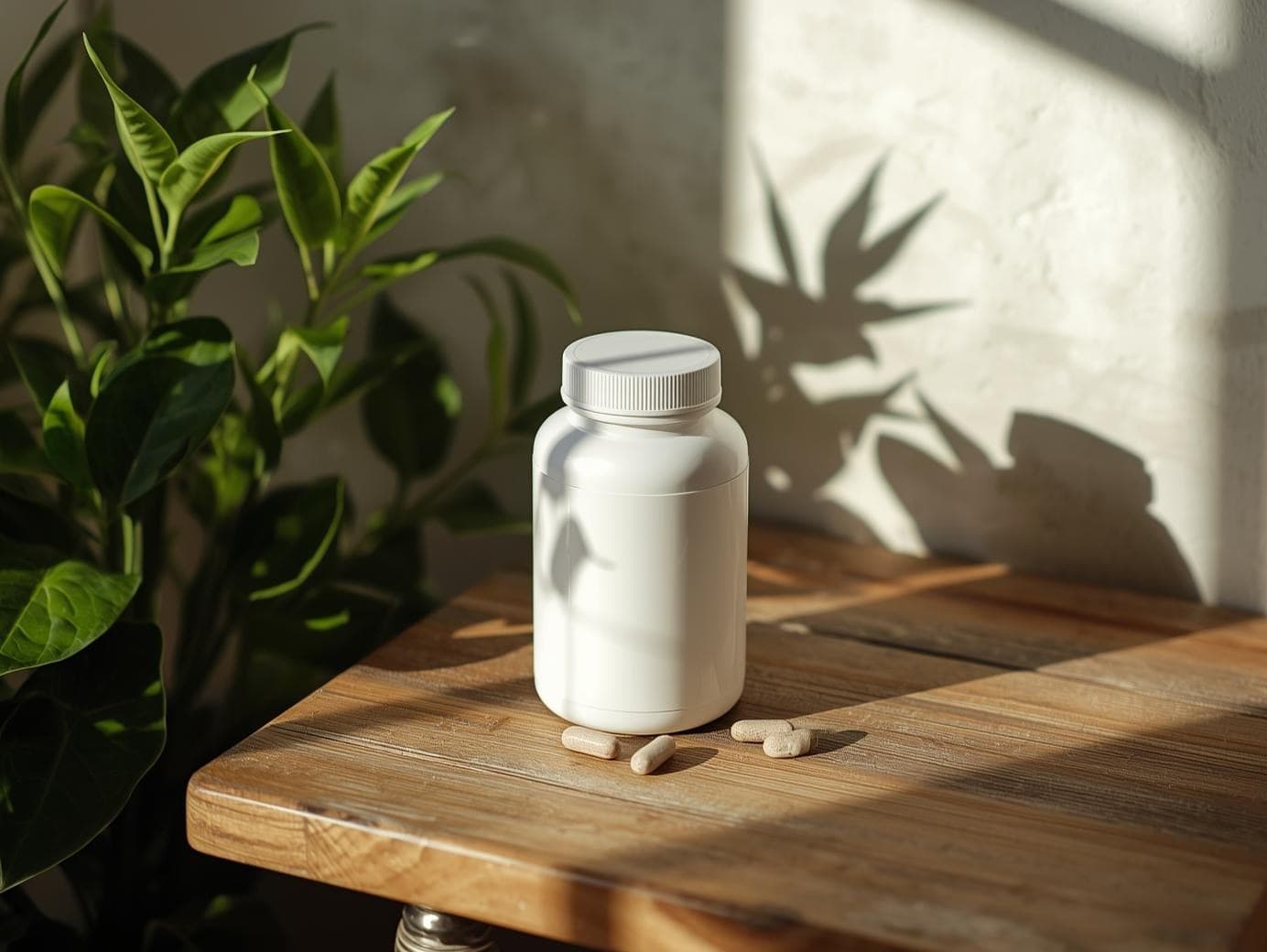
Creatine is one of the most researched supplements in sport nutrition. It’s not magic — but if you train (especially strength/sprints), it can be one of the highest “return on simplicity” add‑ons.
Quick links: Supplements guide → • Movement → • Shortlists →
At a glance
- What it does: helps recycle energy (ATP) during short, high‑effort work.
- Who it suits best: lifting, sprinting, team sports, and anyone trying to gain strength over time.
- How to take: 3–5g creatine monohydrate daily (loading is optional).
What creatine is (in plain English)
Your body already stores creatine in muscle. When you do short, intense work (heavy sets, sprints), creatine helps your cells regenerate energy faster. Over weeks of consistent training, that can mean:
- a little more work done per session (reps, sets, sprint efforts)
- better training consistency
- strength and lean‑mass gains when combined with training
How to take creatine
The simplest approach
- Take 3–5g once daily, every day.
- Timing is flexible. If you prefer a routine, take it with a meal.
Loading (optional)
Loading can speed up muscle saturation, but it’s not required.
- 20g/day split into 4 x 5g doses for 5–7 days
- then 3–5g/day as maintenance
If loading upsets your stomach, skip it.
What to look for when buying
Most people do best with simple creatine monohydrate. If you choose a “blend” or added formula, just make sure the label is transparent and you can still hit a sensible daily dose.
- Creatine monohydrate (simple, well‑studied)
- transparent dosing (avoid formulas that hide amounts)
- easy mixing (micronised powders tend to mix better)
Shortlisted option
Optimum Nutrition Platinum Creatine Plus Powder
A convenient creatine mix if you prefer a ready-to-go formula — always check the label and serving size.
Why it made the shortlist
- Convenient formula
- Easy daily routine
- Works best with consistent training
Retailer links may be affiliate links. Product details, availability and current price are confirmed by the retailer.
Prefer the simplest single‑ingredient option?
If you want the most classic approach, a plain creatine monohydrate powder is still the default pick for many people.
Shortlisted option
Optimum Nutrition Micronised Creatine Powder
A straightforward creatine monohydrate powder — easy to dose, minimal extras.
Why it made the shortlist
- Single‑ingredient creatine monohydrate
- Micronised (mixes easier)
- Best paired with a basic strength routine
Retailer links may be affiliate links. Product details, availability and current price are confirmed by the retailer.
Quick comparison
| Option | Best for | Link |
|---|---|---|
| Platinum Creatine Plus | You want a ready-to-go formula | Check it here |
| Micronised Creatine Powder | You want a simple single-ingredient powder | Check it here |
Common myths (quick answers)
- “You need to cycle creatine.” Most people don’t. Consistency is the main lever.
- “It’s only for bodybuilders.” It can suit anyone doing short‑effort work — including beginners.
- “It’s a stimulant.” It isn’t. Creatine doesn’t work like caffeine.
Safety notes
Creatine is widely used, but safety depends on the person.
This is general information, not medical advice. If you have kidney disease, are pregnant/breastfeeding, are under 18, or take medication for a condition, check with a qualified clinician before supplementing.
How to make it “actually stick”
- Keep it visible (next to your kettle/coffee, or next to your protein).
- Use a scale if you like precision, but a standard scoop is fine if it matches the label.
- Treat it like a habit, not a “boost” — results come from weeks of consistent training.
If you’re building a simple routine, start here: Movement basics → and Supplements (low‑additive) →.
Make the next decision easier
Occasional Wild & Well notes with practical actions, useful comparisons and no-pressure product guidance.
By subscribing you agree to our privacy policy. Unsubscribe anytime.
Related reading
Keep learning — then choose the simplest next step.
 Explainer
Home strength basics for busy people
A simple UK home-strength framework using bodyweight first, progressive resistance second and the smallest routine you can repeat.
 Explainer
Food labels without the noise: a practical UK guide
How to compare UK food labels using ingredients, per-100g nutrition, front-of-pack colours and serving size without turning shopping into a nutrition exam.
 Explainer
Water Filter Buying Guide (UK): choose the right type first
A practical UK guide to choosing between jug, countertop, under-sink, RO, gravity and portable water filters — with replacement cost and maintenance checks before you buy.
 Explainer
Filter replacement costs: the simple way to estimate your yearly spend (UK)
A practical UK guide to the real ownership cost of air, water and shower filters — with a simple yearly-cost formula and direct routes to maintained shortlists.
 Explainer
Hard water in the UK: what it affects (and what it doesn’t)
A calm, UK-specific guide to hard water: what to expect, common myths, and how to decide between no-spend comfort changes, shower filtration, drinking-water filtration and softening.
 Insight
Air Purifier for Pet Dander UK: A Healthier-Home Guide
Evidence-led UK guidance for reducing pet-allergen exposure at home, choosing an air purifier, cleaning routines, bedroom boundaries and filter costs.
Related shortlists
If you’re comparing products, these are built to be quick: what matters, what to avoid, and a short shortlist.
Gut health supplements (beginners)
Shortlist for simple, low‑risk gut support options.
In: Supplements (beginner‑friendly)
Daily essentials supplement (UK)
A simple daily option — how to trial it without overcomplicating your routine.
In: Supplements (beginner‑friendly)
Omega‑3 (algae) supplement (UK)
Plant‑based omega‑3: what to check (DHA/EPA per serving) and how to compare options.
In: Supplements (beginner‑friendly)
Vitamin D3 (UK)
UK‑friendly vitamin D basics: dose, stacking risks, and what to avoid.
In: Supplements (beginner‑friendly)
Electrolytes for training (UK)
When electrolytes help (and when they don’t) — plus what to check per serving.
In: Supplements (beginner‑friendly)
Natural immune support
Shortlist of simple immune‑support options.
In: Supplements (beginner‑friendly)