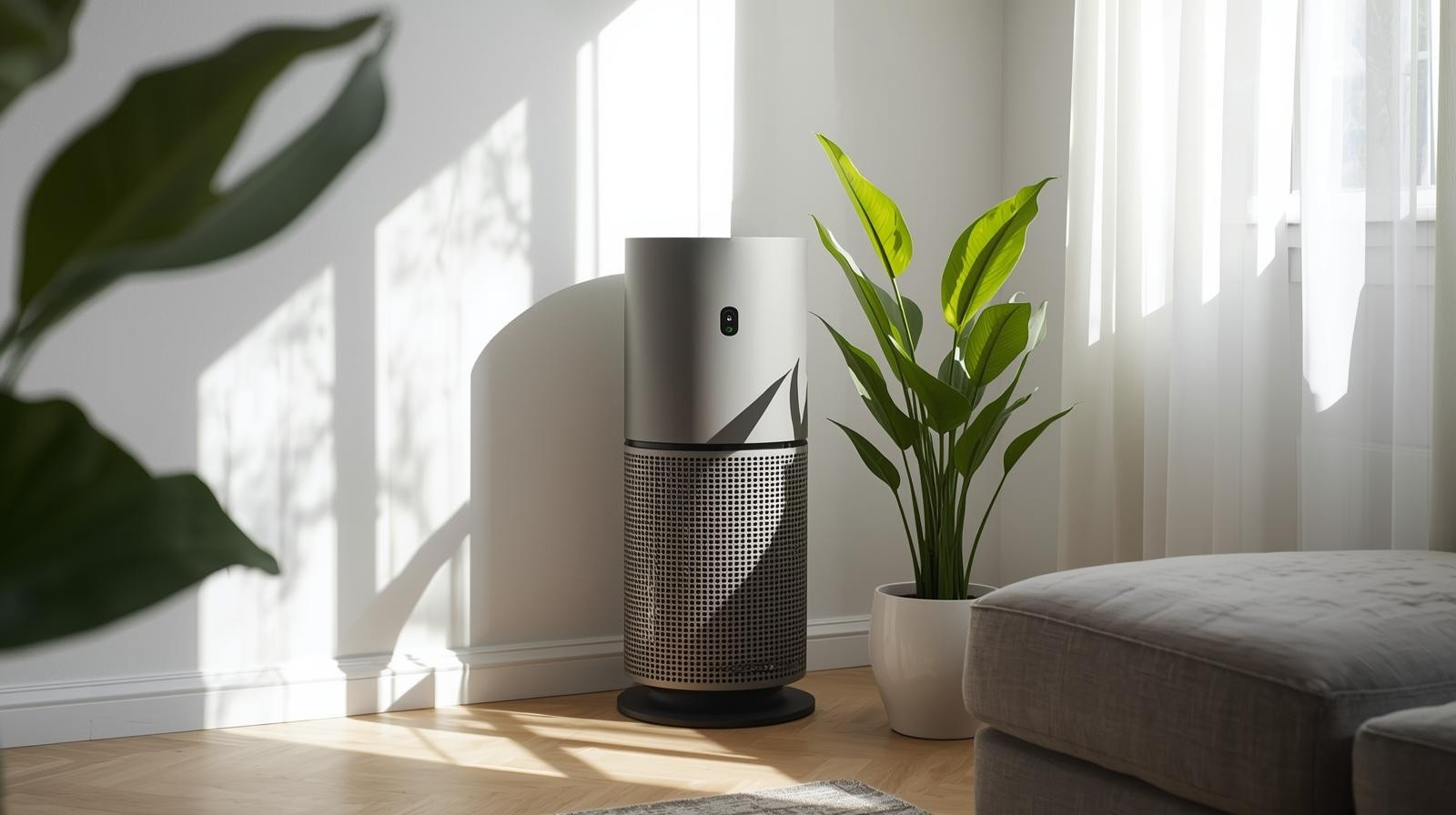
Dehumidifier + air purifier (UK): Meaco Arete One 25L
A practical guide to the Meaco Arete One 25L: when it’s a strong fit for UK damp, what to check, and how to compare alternatives.

Last updated: February 11, 2026 · Wild & Well Editorial Team
Understand the basics
Air purifiers help most when they match the room size and run consistently.
Educational info only — not medical advice.
Why it matters
- Air is a constant exposure, especially overnight — small irritants can add up in sensitive households.
- For allergies, lowering airborne particle load in bedrooms can support comfort for some people.
- Purifiers don’t fix damp: moisture control (ventilation/dehumidification) is often the first lever.
Common causes
- Cooking emissions without extraction (especially frying).
- High humidity and condensation leading to mould risk.
- Dust reservoirs: carpets, bedding, soft furnishings, pets.
- Fragranced sprays/candles in small or poorly ventilated rooms.
First steps (no spend)
- Ventilate after cooking and showers (short, targeted window openings can help).
- Address moisture sources first (drying laundry, leaks, extraction fans).
- Start in the bedroom: wash bedding regularly and reduce dust traps where practical.
How it can affect health
- Particles and allergens can aggravate hay fever and asthma symptoms in sensitive people.
- Damp/mould can irritate airways and worsen cough/wheeze for some people.
Start here
- Measure the room (m²) and pick a purifier sized for that space.
- Run it regularly — a great unit switched off does nothing.
- Budget for filters (HEPA + carbon) if you’re sensitive to odours.
What to look for
- A true HEPA filter and a clear CADR/room-size recommendation.
- Quiet mode you’ll actually tolerate at night.
- Easy filter availability (and transparent pricing).
Avoid
- Units that are too small for the room.
- No mention of filter pricing or replacement schedule.
- Overpaying for features you won’t use (apps, extra features).
How we evaluate
- Room fit (room size guidance / airflow/CADR if published) and where you’ll place it.
- Noise and comfort in real use (sleep mode, vibration, lights).
- Replacement filters and how easy they are to buy in the UK.
- Energy use if it runs for long periods.
When it’s not worth buying
- If the issue is an active leak or structural damp: fix the moisture source first.
- If you can’t ventilate at all: devices help, but fresh-air exchange still matters.
- If replacements are hard to get: you’ll end up with a dead device.
- Filters are the ongoing cost — check replacement prices before buying.
- If you need odour control, carbon capacity matters (and costs more).
Enter pack price and your replacement frequency to estimate ongoing cost.
Enter watts and hours/day to estimate running cost. Use the rate from your bill if you know it.
Featured option
One high‑fit option we feature for this topic. Keep changes simple: try one thing at a time and track how you respond.
Dehumidifier + air purifier (UK): Meaco Arete One 25L
HumidityA straightforward option to trial. Compare ingredients/specs and use the return policy if it’s not a fit.
Best for: recurring condensation, mould risk, and laundry drying
- Check noise if you’ll run it in bedrooms
- Measure humidity first (aim roughly 40–60%)
How to use this page
- Start with the basics first (routine, environment, consistency) — products are optional.
- Change one thing at a time so you can tell what actually helped.
- If you’re managing a condition or taking medication, check with a qualified clinician before supplement changes.
Keep learning (then choose)
If you’re not 100% sure yet, these are the quickest pages to read before you commit money.
Tip: make one change at a time so you can tell what actually helped.
Free: Low‑Tox Shopping List
A beginner-friendly shortcut with simple swaps for air, water, cleaning and sleep — in plain English.
By subscribing you agree to our privacy policy. Unsubscribe anytime.
Some links are affiliate links. If you buy via them, we earn a commission.