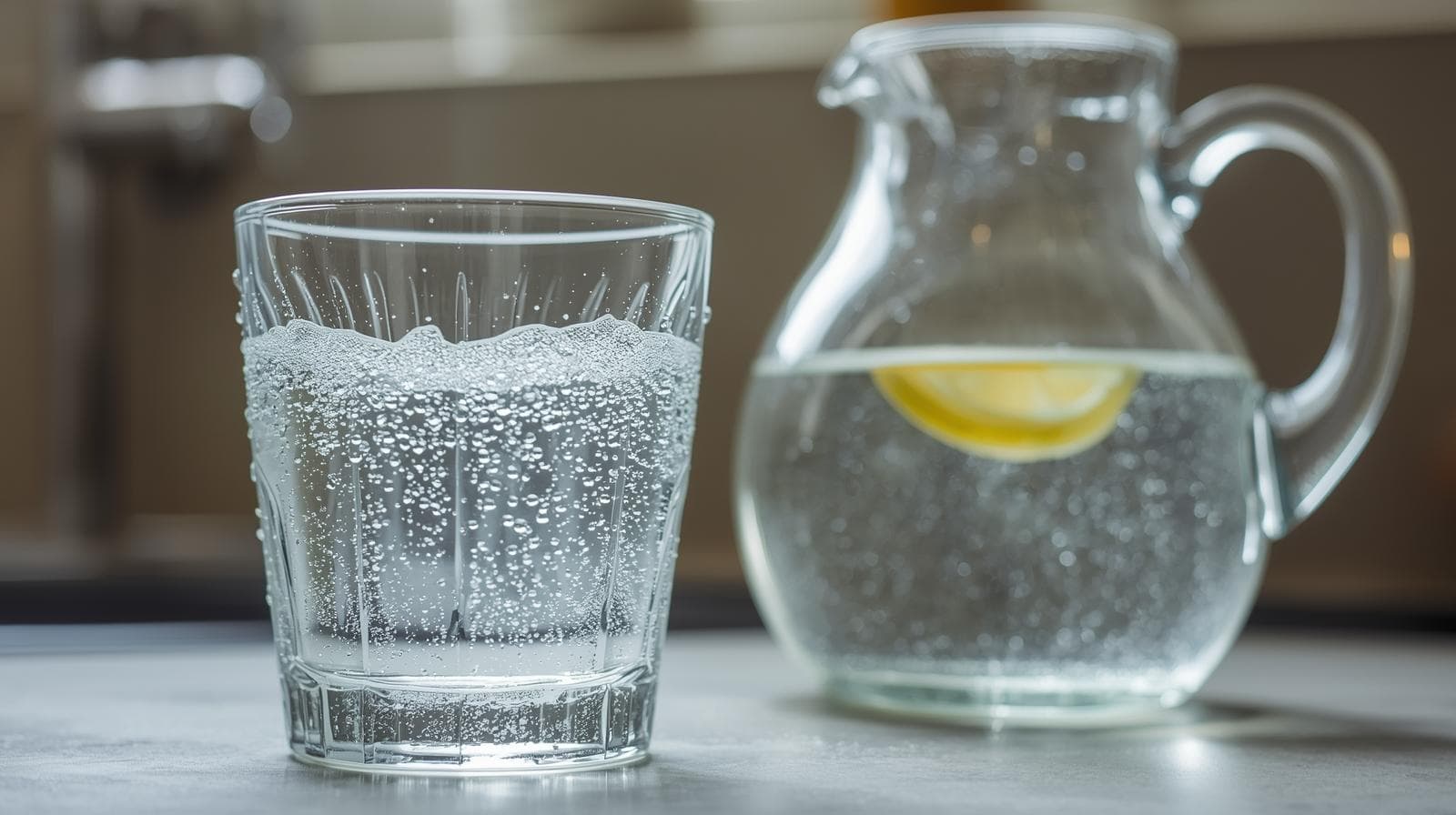
Water (Filters + Hydration)
Start by choosing the right format for your kitchen. After that, the deciding factor is usually replacement filters: cost, availability, and how often they need changing.

Last updated: February 2, 2026
Water — safety, taste, hardness, and when filtering helps
In the UK, mains drinking water is regulated and routinely tested. Most people filter for taste/odour, limescale, or personal preference rather than “safety”.
The most important practical factor isn’t the gadget — it’s whether you’ll maintain it. Filters that aren’t replaced on schedule can perform inconsistently.
Educational information only — not medical advice. If symptoms are severe, persistent, or worrying, use NHS guidance or speak to a clinician.
Why it matters
- If filtering makes water taste better for you, you may drink more — which can support hydration habits.
- Hard water causes limescale (kettles, showers) and can feel drying for some people, but it isn’t automatically “bad” water.
- If you have a specific concern, the right first step is checking official local reporting before buying anything.
Common causes
- Hardness (calcium/magnesium) varies by region and shows up as kettle scale and soap not lathering well.
- Chlorine taste/odour can be noticeable in some areas or at certain times.
- Old plumbing can sometimes affect taste/colour (if you notice changes, report them to your water supplier).
Quick check at home
- Check your water company’s published water quality report (and hardness) for your postcode/area.
- If taste is the main issue, do a simple test: chilled tap water vs chilled filtered water for a week.
- If you filter, set a replacement reminder — that’s where most “this didn’t work” stories come from.
How it can affect health
- Hydration supports energy, concentration, and physical performance — the best system is the one that makes drinking water easier for you.
- Hard water is mainly a practical issue (scale) rather than a direct health risk for most people.
- Some people notice skin/hair comfort differences with hard water; results vary and are often about routine + products too.
First steps (no spend)
- Chill tap water in the fridge (taste often improves).
- Descale kettles regularly if you’re in a hard-water area (improves taste and appliance life).
- If water looks discoloured or smells unusual, contact your water supplier rather than guessing the cause.
- If you have health-related concerns about drinking water (e.g., immunocompromised household, pregnancy, or a known local issue), use official sources and/or ask a clinician for personalised advice.
- If your water changes colour, taste, or smell suddenly, report it to your water company.
At a glance
Start here
- Choose a type: jug, under-sink, or gravity/countertop.
- Compare replacement filters (schedule + cost).
- Prefer specific, checkable testing/certification claims.
Which type suits you?
- Jug: easiest entry point for most kitchens.
- Under-sink: filtered water from a tap (requires install).
- Gravity: larger capacity without plumbing.
Common mistakes
- Buying a system with expensive replacements you won’t keep up with.
- Choosing based on marketing claims instead of verified details.
- Over-buying capacity when a jug would do.
Options (compare links)
After the basics, these broad links help you compare warranty, replacements, and real-world usability.
Water filter jug (everyday starter)
EasySimple, low‑friction option for many households.
- Pick a size that fits your fridge
- Budget for filters
- Replace on schedule
Under-sink filter system
ConvenienceFiltered water from a tap; check installation requirements.
- Check installation needs
- Look at yearly filter cost
- Choose a reputable brand
Countertop gravity filter
No plumbingLarge capacity without installing anything.
- Useful for renters
- Check filter certification claims
Reusable bottle (for out and about)
HabitChoose a size you’ll carry and a lid you’ll use.
- Dishwasher safe is helpful
- Wide mouth is easier to clean
Featured water products (UK)
Specific products we feature on Wild & Well because they cover the most common use-cases (jug, under-sink, gravity, on-the-go).
Jug option: Culligan/ZeroWater 1.7L filter jug
JugLow-friction starter option for taste/odour. Compare filter costs before committing long-term.
Best for: simple start
- Check replacement filter cost
- Follow the change schedule
Under-sink option: Waterdrop direct-connect system
Under-sinkConvenient if you want filtered water from a tap and can install a system.
Best for: convenience
- Check install requirements
- Compare replacement filters
Gravity option: British Berkefeld 1L stainless system
GravityUseful if you want larger capacity without plumbing (often renter-friendly).
Best for: no plumbing
- Slower filtration
- Plan countertop space
On-the-go option: Water-to-Go Active bottle (75cl)
BottleIf you want a portable option for commuting, travel, or gym days.
Best for: travel
- Check filter replacement schedule
- Keep it clean
ZeroWater (optional)
If taste is your main goal, a jug system can be a simple start. Compare replacement filters before you commit long-term.
Common questions
Short answers to the questions that come up most often.
Do I need a water filter in the UK?
It depends on your goal. Many people filter for taste/odour, limescale in kettles, or personal preference.
If you are concerned about a specific contaminant, check your local water company’s published water quality report and choose a system with relevant, verifiable testing or certification claims.
Jug vs under-sink vs gravity: which is best?
A jug is the simplest entry point and works well for many kitchens.
Under-sink systems are convenient if you want filtered water from a tap and can install it.
Gravity systems are useful when you want larger capacity without plumbing (often popular with renters).
What usually costs more over time: the unit or the filters?
In many systems, replacement filters are the main long-term cost. Compare replacement schedules and prices before buying the unit.
What should I look for in certification/testing claims?
Prefer specific, checkable claims (what was tested, to what standard, and by whom) over vague marketing phrases like “removes 99%”.
Some links are affiliate links. If you buy via them, we earn a commission.