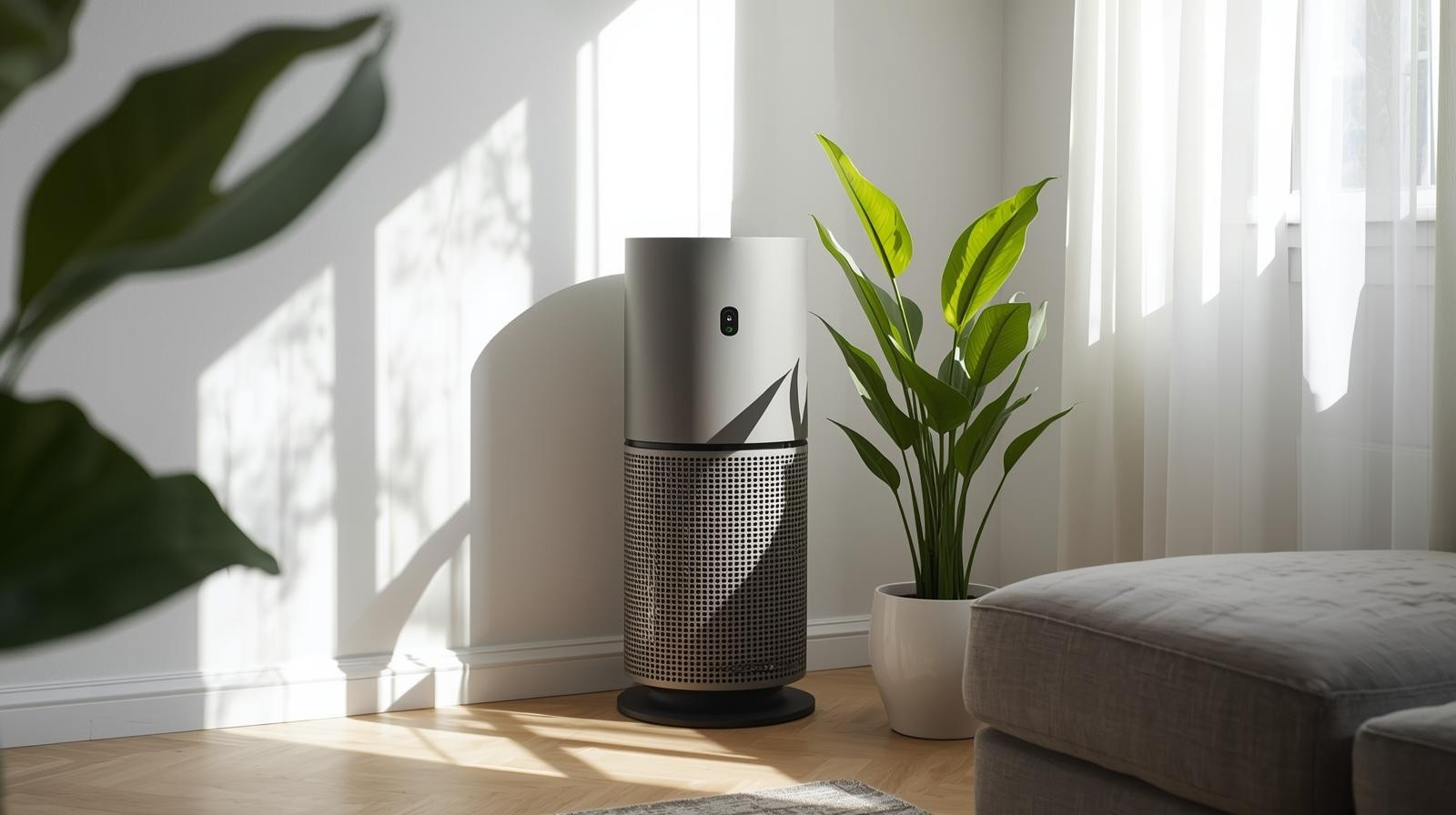
Air purifiers for allergies (UK): shortlist

The biggest mistake is buying a purifier that’s too small for the room. Size first, features second.

BedroomsHay fever / pollenPetsQuiet sleep
Related reading

Background insights and topic pages:

Last updated: February 12, 2026 · Wild & Well Editorial Team

Understand the basics

Air purifiers help most when they match the room size and run consistently.

Educational info only — not medical advice.

Why it matters

  • Air is a constant exposure, especially overnight — small irritants can add up in sensitive households.
  • For allergies, lowering airborne particle load in bedrooms can support comfort for some people.
  • Purifiers don’t fix damp: moisture control (ventilation/dehumidification) is often the first lever.

Common causes

  • Cooking emissions without extraction (especially frying).
  • High humidity and condensation leading to mould risk.
  • Dust reservoirs: carpets, bedding, soft furnishings, pets.
  • Fragranced sprays/candles in small or poorly ventilated rooms.

First steps (no spend)

  • Ventilate after cooking and showers (short, targeted window openings can help).
  • Address moisture sources first (drying laundry, leaks, extraction fans).
  • Start in the bedroom: wash bedding regularly and reduce dust traps where practical.

How it can affect health

  • Particles and allergens can aggravate hay fever and asthma symptoms in sensitive people.
  • Damp/mould can irritate airways and worsen cough/wheeze for some people.
If you want options, use this quick buying lens
Affiliate disclosure

Start here

  • Measure the room (m²) and pick a purifier sized for that space.
  • Run it regularly — a great unit switched off does nothing.
  • Budget for filters (HEPA + carbon) if you’re sensitive to odours.

What to look for

  • A true HEPA filter and a clear CADR/room-size recommendation.
  • Quiet mode you’ll actually tolerate at night.
  • Easy filter availability (and transparent pricing).

Avoid

  • Units that are too small for the room.
  • No mention of filter pricing or replacement schedule.
  • Overpaying for features you won’t use (apps, extra features).

How we evaluate

  • Room fit (room size guidance / airflow/CADR if published) and where you’ll place it.
  • Noise and comfort in real use (sleep mode, vibration, lights).
  • Replacement filters and how easy they are to buy in the UK.
  • Energy use if it runs for long periods.

When it’s not worth buying

  • If the issue is an active leak or structural damp: fix the moisture source first.
  • If you can’t ventilate at all: devices help, but fresh-air exchange still matters.
  • If replacements are hard to get: you’ll end up with a dead device.
Running costs
  • Filters are the ongoing cost — check replacement prices before buying.
  • If you need odour control, carbon capacity matters (and costs more).
Replacement cost estimator

Enter pack price and your replacement frequency to estimate ongoing cost.

Electricity cost estimator

Enter watts and hours/day to estimate running cost. Use the rate from your bill if you know it.

10‑second decision

Pick the rule that matches your situation.

  • If: Allergies worst in the bedroom at night

    Then: Start with a quiet bedroom‑friendly HEPA pick (night mode matters).

    Size it to the bedroom you sleep in, not the whole home.

  • If: You’re buying for a larger living room

    Then: Choose a higher‑coverage (large room) unit rather than the smallest “HEPA” you can find.

    Too small is the #1 reason people see no benefit.

  • If: Smells/odours bother you

    Then: Prefer a model with a carbon stage (and check carbon filter replacement cost).

  • If: Damp/condensation is the main issue

    Then: A dehumidifier + ventilation is usually the direct fix; a purifier doesn’t remove moisture.

    See the damp & mould shortlist for the right tool.

Quick comparison

Scan the best‑for label, one key note, and one trade‑off.

OptionBest forKey noteTrade‑off
Shark NeverChange5 (HEPA)Low filter fussA popular option marketed around longer filter life. Still check replacement costs.Check room size coverage
Blueair Blue Max 3250iStrong all‑rounderWell-regarded for everyday particle control with simple use.Plan for filter replacements
Levoit Core 600S (large rooms)Big room valueOften recommended for higher coverage without jumping to premium pricing.Check noise at higher fan speeds
Meaco HEPA air purifierQuiet comfortMeaco units are often praised for quiet operation — ideal for sleep.Look for quiet night mode
Dyson purifier (HEPA + carbon)PremiumExpensive, but some households value the build and sensor feedback.Check filter costs before committing
Blueair Blue 511i Max (bedrooms)Small spaceGreat for bedrooms/small rooms if you size it correctly.Quiet night mode matters

How Wild & Well makes these shortlists

We focus on the boring stuff that drives outcomes: sizing, noise, filter costs, and what actually fixes the problem.

  • Buyer-friendly: small sets, clear trade-offs, and what to skip.
  • Cost-aware: filter/replacement costs are treated as part of the price.
  • UK-first: availability, voltage, and typical UK homes (flats, damp winters, etc.).

Pick your route

Not sure what to do next? Choose the path that fits your home and your goals.

What matters

  • Right size for the room.
  • True HEPA for particles.
  • Carbon if smells bother you.
  • Filter replacement cost + availability.

Bedroom priority

Quiet night mode beats “smart” features you never use.

If damp is the issue

A purifier helps particles, but damp often needs dehumidifying + ventilation.

Humidity guide
Free

Free: Low‑Tox Shopping List

A beginner-friendly shortcut with simple swaps for air, water, cleaning and sleep — in plain English.

See preview →

By subscribing you agree to our privacy policy. Unsubscribe anytime.

Top options (shortlist)

Three common scenarios — choose the one that matches your room and use.

all‑rounder: Blueair 3250i

Best overall

A straightforward everyday choice for general particle control in living areas.

Room sizeFilters
  • Size it to your room
  • Plan filter replacements
  • Auto mode is optional

Great for bedrooms: Meaco HEPA

Great for

Prioritises quiet comfort — helpful if allergies disturb sleep.

HEPARoom sizeNoise
  • Quiet night mode matters
  • Don’t oversize if noise is a concern

Great for larger rooms: Levoit 600S

Good value

A common option for higher coverage without premium pricing.

Room sizeNoiseFilters
  • Check noise at high speeds
  • Confirm filter availability
At-a-glance comparison (what to check before you buy)
OptionGreat forWatch-outCheck before buying
Bedroom unitQuiet night useNoise at higher speedsNight-mode dB + room-size coverage
Living room unitDaytime particle controlFilter cost over timeReplacement filter price + frequency
Large room unitOpen-plan spacesYou may need higher fan speedsCoverage spec at realistic settings

Shortlist (buyer-friendly)

Curated searches to compare prices and check filter costs.

Shark NeverChange5 (HEPA)

Low filter fuss

A popular option marketed around longer filter life. Still check replacement costs.

Best for: busy households

HEPARoom sizeNoiseFilters
  • Check room size coverage
  • Prioritise quiet night mode

Blueair Blue Max 3250i

Strong all‑rounder

Well-regarded for everyday particle control with simple use.

Best for: living rooms

Room sizeFilters
  • Plan for filter replacements
  • Auto mode is useful, not essential

Levoit Core 600S (large rooms)

Big room value

Often recommended for higher coverage without jumping to premium pricing.

Best for: open plan spaces

Room sizeNoise
  • Check noise at higher fan speeds

Meaco HEPA air purifier

Quiet comfort

Meaco units are often praised for quiet operation — ideal for sleep.

Best for: bedrooms

HEPARoom sizeNoise
  • Look for quiet night mode

Dyson purifier (HEPA + carbon)

Premium

Expensive, but some households value the build and sensor feedback.

Best for: premium features

HEPAFilters
  • Check filter costs before committing

Blueair Blue 511i Max (bedrooms)

Small space

Great for bedrooms/small rooms if you size it correctly.

Best for: small rooms

Room sizeNoise
  • Quiet night mode matters

FAQ

Quick answers to the questions people usually have before buying.

Do air purifiers help with pollen allergies?

They can reduce airborne particles indoors, but only if the unit is sized correctly for the room and you run it consistently during high pollen periods.

What matters most when choosing an air purifier?

Room-size coverage, true HEPA filtration for particles, realistic filter replacement costs, and low noise for bedrooms.

Do I need carbon filtration?

Carbon helps with odours and some VOCs, but it is not a replacement for ventilation. If smells bother you, carbon is worth paying for.

How often do filters need replacing?

It varies by model, home conditions, and run time. Always check replacement price and availability before buying.

Should I buy one big unit or two smaller ones?

Often you get better results covering the bedroom first, then adding a second unit later if needed.

Will a purifier fix damp or mould?

No. A purifier helps particles, but damp needs ventilation and often dehumidifying.

Update log

Last updated: February 12, 2026 · Previous: February 2, 2026

What changed in this update
  • Refreshed this shortlist for availability and clarity.
  • Added best‑for badges, a trust block, and a clearer “pick your route” section.
  • Upgraded FAQs to an expandable section with automatic FAQ schema.

We update shortlists when availability, pricing, or guidance changes.

Keep learning (then choose)

If you’re not 100% sure yet, these are the quickest pages to read before you commit money.

Tip: make one change at a time so you can tell what actually helped.

Some links are affiliate links. If you buy via them, we earn a commission.

Free: Low‑Tox Shopping List + weekly shortlists + calm insights (no spam).