
Everyday foods that support your body
“Detox” is a marketing term. Your body already has systems for processing and eliminating waste. What helps most is hydration, fibre, and stable meals.
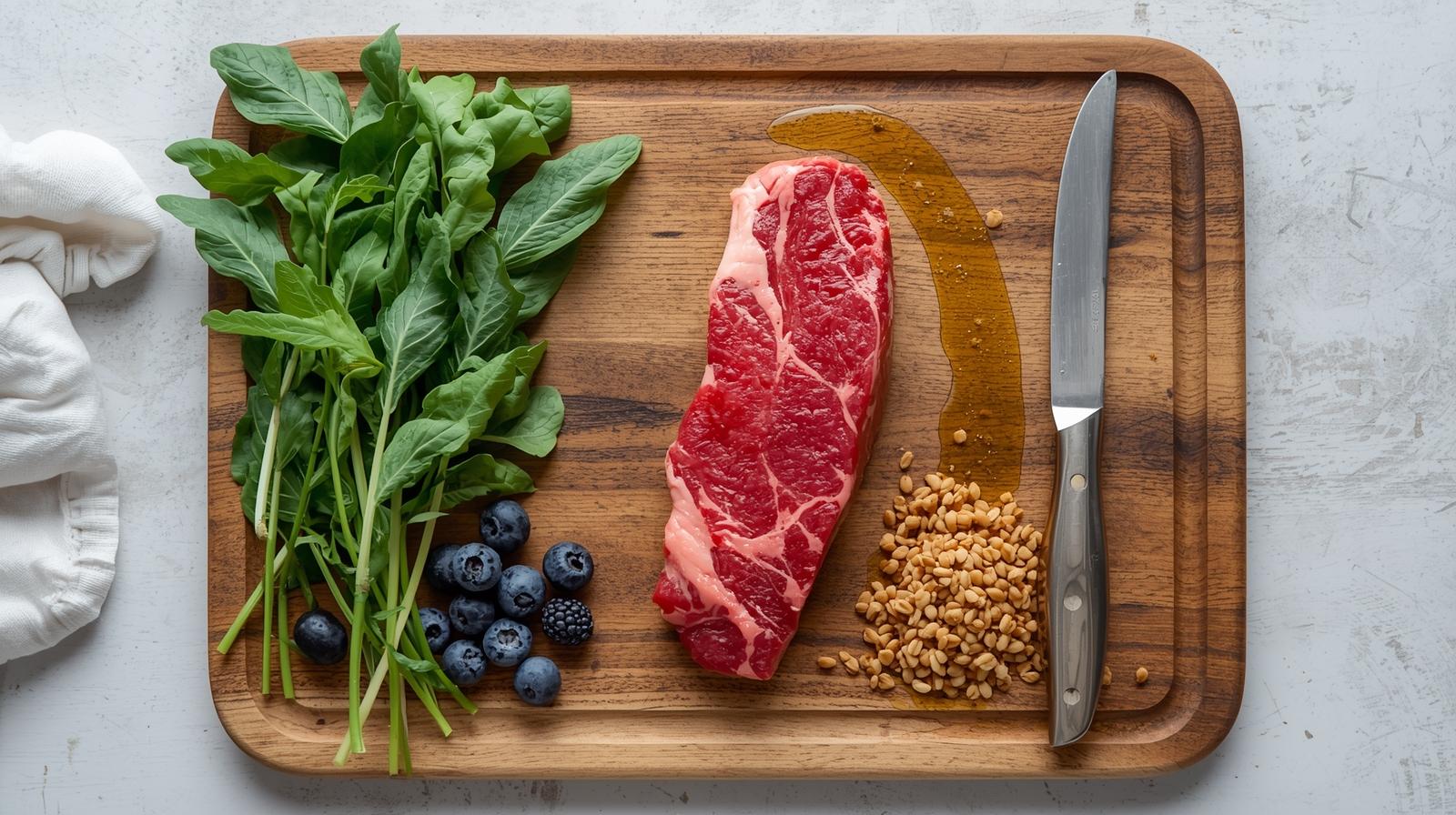
Last updated: February 2, 2026 · Wild & Well Editorial Team
Before the shortlist
Understand the problem before buying the fix
Food shortlists work best when they’re simple: staples you’ll actually eat, stored properly.
Educational information only — not medical advice.
Why it matters
- Nutrition changes stick when they reduce friction: a few staples you actually use beats chasing “perfect” ingredients.
- Storage and repeatability matter — rancid oils and stale seeds undermine quality more than brand names.
Try this before spending
- Pick two protein+fibre breakfasts you can repeat (e.g., oats + seeds, eggs + veg).
- Plan one “default” lunch and one “default” dinner you can rotate weekly.
Standards & sources
References used on this page
What actually helps
At-a-glance comparison
High-leverage basics
Compare the job each option suits before following a retailer link.
| Thing | Why it matters | Simple start |
|---|---|---|
| Hydration | Supports normal digestion and daily energy | Keep a bottle nearby; add a glass with each meal |
| Fibre | Supports regularity and gut comfort for many people | Add oats/beans/veg; increase gradually |
| Protein + veg | Stabilises appetite and reduces snack chaos | Repeatable meals, not perfect variety |
| Sleep | Recovery and appetite regulation | Consistent wake time; morning light |
On smaller screens, swipe sideways to compare every column.
Staples worth keeping around
- Fibre staples: oats, beans, lentils, chia/flax (start slowly).
- Veg defaults: frozen mixed veg, leafy greens, onions/garlic.
- Healthy fats: extra virgin olive oil (buy smaller bottles, store well).
- Fermented foods (optional): yoghurt, kefir, sauerkraut — only if they suit you.
- Simple spices: turmeric/ginger for flavour (don’t treat as medicine).
If you want product-level buying guidance, use our shortlists: olive oil shortlist, oats shortlist, and snack shortlist.
This page is informational and not medical advice.
Next step
Learn first, then compare the maintained options.
This page answers a specific search question. The central shortlist is where Wild & Well keeps the broader commercial decision up to date.Make one change at a time so you can tell what actually helped.
Make the next decision easier
Occasional Wild & Well notes with practical actions, useful comparisons and no-pressure product guidance.
By subscribing you agree to our privacy policy. Unsubscribe anytime.
FAQ
Quick answers to the questions people usually have before buying.
How do I choose staples without overthinking?
Pick foods you’ll use weekly. Consistency beats novelty.
Does storage really matter?
Yes. Oils and ground seeds lose quality faster with heat, light, and air.
Is organic always necessary?
Not always. Prioritise what you eat most often and what fits your budget.
How do I avoid wasting money?
Buy smaller amounts first and only scale up once you know you’ll use them before freshness drops.
What’s the easiest win?
Simple staples: oats, olive oil, seeds — stored well and used regularly.