
Movement buying guide
Fitness trackers for beginners: buy for one useful behaviour
A tracker is optional. If it helps you walk more, train consistently or notice longer-term trends, it can be useful. If it only gives you more numbers to worry about, it has missed the point.
Before the shortlist
Understand the problem before buying the fix
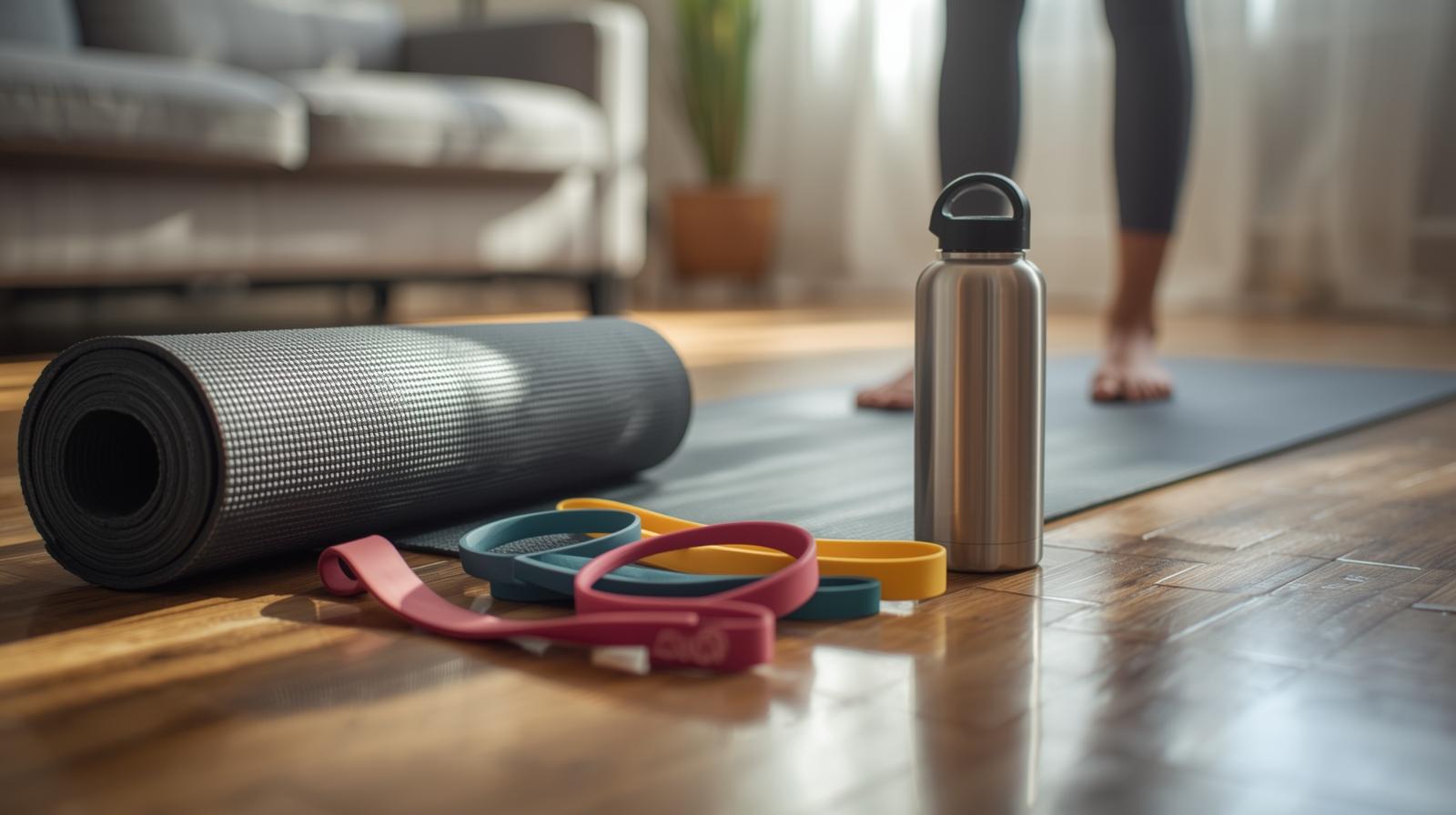
Movement gear should reduce friction: comfortable basics you’ll use weekly.
Educational information only — not medical advice.
Standards & sources
References used on this page
The metrics most beginners can actually use
Steps and movement
Useful when a visible daily target helps you stay consistent. Treat the number as a trend, not a precise medical measurement.
Training consistency
Workout history can be helpful if you use it to spot patterns and keep a routine rather than chase every metric.
Sleep trends
Wearables can show patterns, but sleep-stage estimates are not a diagnosis and should not replace how you actually feel.
Heart-rate trends
Useful for general training feedback. Accuracy varies by device, fit and activity, particularly during fast or irregular movement.
What to check before buying
- Battery life that fits how often you are willing to charge it.
- Comfort for the amount of time you intend to wear it.
- Compatibility with your phone and preferred health or training apps.
- Whether useful features require an ongoing subscription.
- A returns policy you are comfortable with if fit or usability is poor.
Compare useful trackers
Choose a tracker around the feedback you will use
The Movement shortlist keeps current partner options beside the decision criteria that matter: comfort, battery life, useful trends and whether tracking supports the habit.
Next step
Learn first, then compare the maintained options.
This page answers a specific search question. The central shortlist is where Wild & Well keeps the broader commercial decision up to date.Make one change at a time so you can tell what actually helped.
Make the next decision easier
Occasional Wild & Well notes with practical actions, useful comparisons and no-pressure product guidance.
By subscribing you agree to our privacy policy. Unsubscribe anytime.
Some links are affiliate links. If you buy via them, Wild & Well may earn a commission at no extra cost to you.