

Compost wants balance: greens (nitrogen) + browns (carbon) + air + a little moisture.
Common problems
Smelly/anaerobic (like ammonia or rot)
- Add dry browns: shredded cardboard, paper, dry leaves.
- Stir/aerate weekly. Create air pockets with a fork or branch.
- Keep moist like a wrung sponge, not wet.
Fruit flies
- Always bury food scraps under browns.
- Cover surface with cardboard “lid” or old sack.
- Avoid frequent citrus peels in small systems.
Too wet, sludgy
- Stop adding wet scraps. Mix in sawdust/leaves.
- Check for rain ingress; add a lid.
Too dry, not breaking down
- Lightly water; add more greens (coffee grounds, veg trimmings).
- Chop scraps smaller.
Winter tips (UK)
- Insulate the bin (old duvet/cardboard around sides).
- Feed smaller amounts, pre‑mix with browns.
- Bokashi + worm bins work well indoors/garages.
What can/can’t go
Yes: veg scraps, coffee, tea (paper bags), crushed eggshells, plain paper/card.
No: meat, fish, oily foods, glossy/coloured card, “compostable” plastic in cold home systems.
When is it ready?
Dark, earthy smell; you can’t recognise original scraps. Sieve if you want a finer finish.
Minimal routine
- Caddy → bin every 2–3 days.
- Each time add a handful of browns.
- Stir weekly; top with cardboard.
Looking beyond products? Explore our Wellness Insights for food-first wellness.
Make the next decision easier
Occasional Wild & Well notes with practical actions, useful comparisons and no-pressure product guidance.
By subscribing you agree to our privacy policy. Unsubscribe anytime.
Related reading
Keep learning — then choose the simplest next step.
 Explainer
Water Filter Buying Guide (UK): choose the right type first
A practical UK guide to choosing between jug, countertop, under-sink, RO, gravity and portable water filters — with replacement cost and maintenance checks before you buy.
 Insight
Damp & Mould in UK Rentals: the practical playbook
A practical renter checklist for damp and mould: measure humidity, reduce moisture, improve ventilation, document the pattern, then compare dehumidifiers only when humidity control is the right tool.
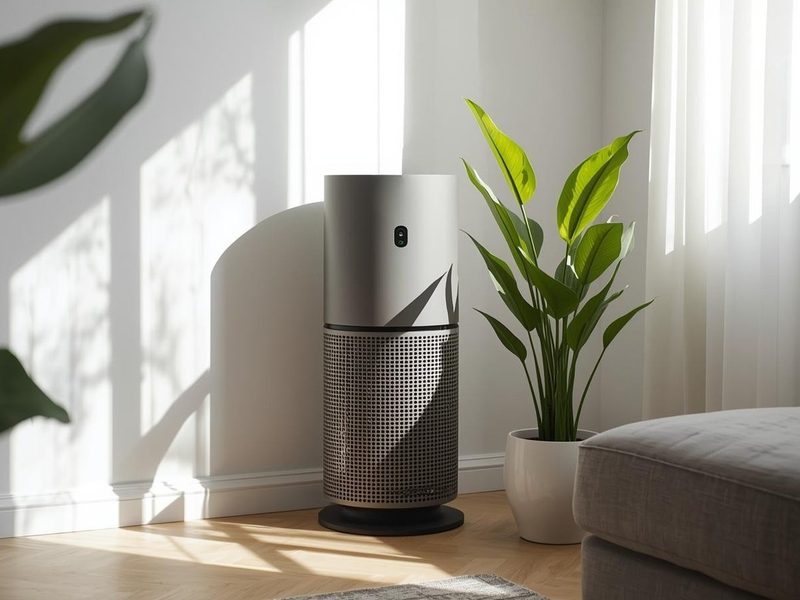 Explainer
Healthy Air at Home: A Practical UK Guide
A practical UK home-air guide: reduce pollution at source, control moisture, improve ventilation and only then compare purifiers or dehumidifiers when they solve the right problem.
ExplainerWinter Humidity Guide (UK): Dry Air, Condensation or Damp?
A practical UK winter humidity guide: measure first, separate dry-air problems from condensation and damp, then choose ventilation, humidification or dehumidification appropriately.
 Explainer
Home strength basics for busy people
A simple UK home-strength framework using bodyweight first, progressive resistance second and the smallest routine you can repeat.
 Explainer
Food labels without the noise: a practical UK guide
How to compare UK food labels using ingredients, per-100g nutrition, front-of-pack colours and serving size without turning shopping into a nutrition exam.
Related shortlists
If you’re comparing products, these are built to be quick: what matters, what to avoid, and a short shortlist.
Magnesium for wind‑down (UK)
A conservative magnesium guide: how to start, what forms to look for, and who should be cautious.
In: Sleep
Mattress upgrade (UK)
A simple mattress guide focused on comfort, support, temperature, and using trials well.
In: Sleep
Ethical meat delivery (UK)
A guide to higher‑welfare meat delivery: what to look for and how to plan freezer space.
In: Nutrition staples (UK)
Barefoot walking boots (UK)
A practical barefoot boots guide: transition safely and avoid overload.
In: Movement gear
Creatine (UK)
Creatine basics + a simple, hype-free buying guide.
In: Supplements (beginner‑friendly)