

Why this matters
Switching to “eco” can get expensive fast. Here’s a short list of under‑£25 changes that make the biggest daily impact.
Quick wins (prioritised)
- Refillable washing‑up soap (or solid dish bar). Lower plastic, less filler. Works in hard water if labelled for it.
- Microfibre‑catching laundry bag for synthetics. Cuts microplastic shedding when you can’t avoid polyester.
- Two good cloths (cellulose sponge + cotton waffle). Replace disposable wipes and paper towels.
- Stainless water bottle you’ll actually carry. Hydration > novelty features.
- Bicarbonate + white vinegar cleaning duo. Great for descaling, deodorising, glass (avoid vinegar on natural stone).
Kitchen swaps
- Glass food storage (1–2 containers). See food → less waste. Oven/reheat safe.
- Unpaper towels (10–12 sheets). Use for counters, veg drying. Wash warm; line‑dry.
- Compost caddy + liners (if council allows). Reduces bin smell; diverts food scraps.
Laundry under £25
- Fragrance‑free powder over liquid; better in hard water, lighter footprint.
- Stain stick (soap + enzymes) for collars, baby clothes, period underwear.
Body & home
- Fragrance‑free moisturiser with short INCI list (e.g., shea, glycerin, squalane).
- Beeswax/soy candle with cotton wick. Burn 1–2 hours; trim wick to 5 mm.
What to skip (for now)
- Fancy “bioplastic” gadgets, single‑purpose cleaners, and anything you’ll store rather than use.
Routine that works
- Refill dish + laundry monthly.
- Keep two cloth types visible.
- Do a Sunday 10‑minute reset: refill sprays, wash cloths, prep lunch box.
FAQ
Will this save money? Yes—less food waste and disposables typically offsets the swaps in 1–2 months. I rent—worth it? Definitely. These are portable habits and items.
Looking beyond products? Explore our Wellness Insights for food-first wellness.
Make the next decision easier
Occasional Wild & Well notes with practical actions, useful comparisons and no-pressure product guidance.
By subscribing you agree to our privacy policy. Unsubscribe anytime.
Related reading
Keep learning — then choose the simplest next step.
 Explainer
Water Filter Buying Guide (UK): choose the right type first
A practical UK guide to choosing between jug, countertop, under-sink, RO, gravity and portable water filters — with replacement cost and maintenance checks before you buy.
 Insight
Damp & Mould in UK Rentals: the practical playbook
A practical renter checklist for damp and mould: measure humidity, reduce moisture, improve ventilation, document the pattern, then compare dehumidifiers only when humidity control is the right tool.
 Explainer
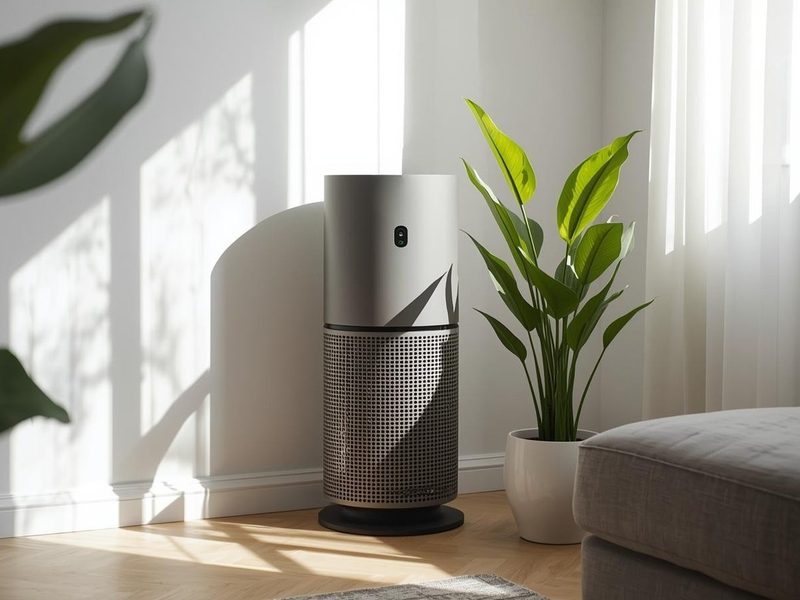
Healthy Air at Home: A Practical UK Guide
A practical UK home-air guide: reduce pollution at source, control moisture, improve ventilation and only then compare purifiers or dehumidifiers when they solve the right problem.
ExplainerWinter Humidity Guide (UK): Dry Air, Condensation or Damp?
A practical UK winter humidity guide: measure first, separate dry-air problems from condensation and damp, then choose ventilation, humidification or dehumidification appropriately.
 Explainer
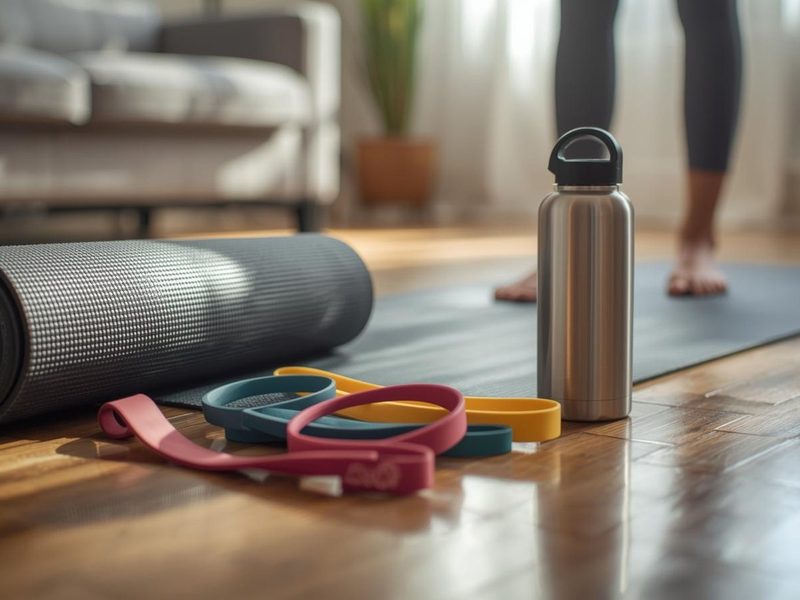
Home strength basics for busy people
A simple UK home-strength framework using bodyweight first, progressive resistance second and the smallest routine you can repeat.
 Explainer
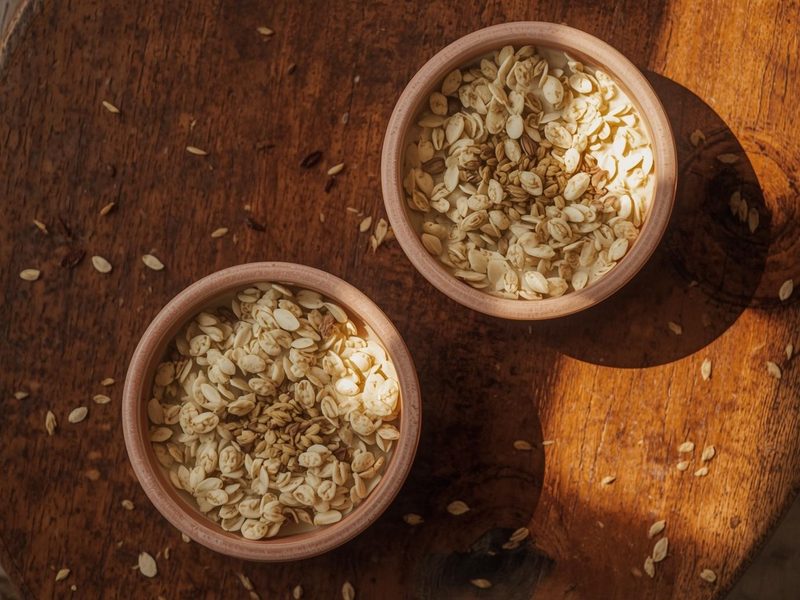
Food labels without the noise: a practical UK guide
How to compare UK food labels using ingredients, per-100g nutrition, front-of-pack colours and serving size without turning shopping into a nutrition exam.
Related shortlists
If you’re comparing products, these are built to be quick: what matters, what to avoid, and a short shortlist.
Magnesium for wind‑down (UK)
A conservative magnesium guide: how to start, what forms to look for, and who should be cautious.
In: Sleep
Mattress upgrade (UK)
A simple mattress guide focused on comfort, support, temperature, and using trials well.
In: Sleep
Ethical meat delivery (UK)
A guide to higher‑welfare meat delivery: what to look for and how to plan freezer space.
In: Nutrition staples (UK)
Barefoot walking boots (UK)
A practical barefoot boots guide: transition safely and avoid overload.
In: Movement gear
Organic matcha (UK)
Starter‑friendly options with clear buying cues.
In: Nutrition staples (UK)
Creatine (UK)
Creatine basics + a simple, hype-free buying guide.
In: Supplements (beginner‑friendly)