
Understand first
Education-first • not medical adviceOpen the deep dive
What’s going on
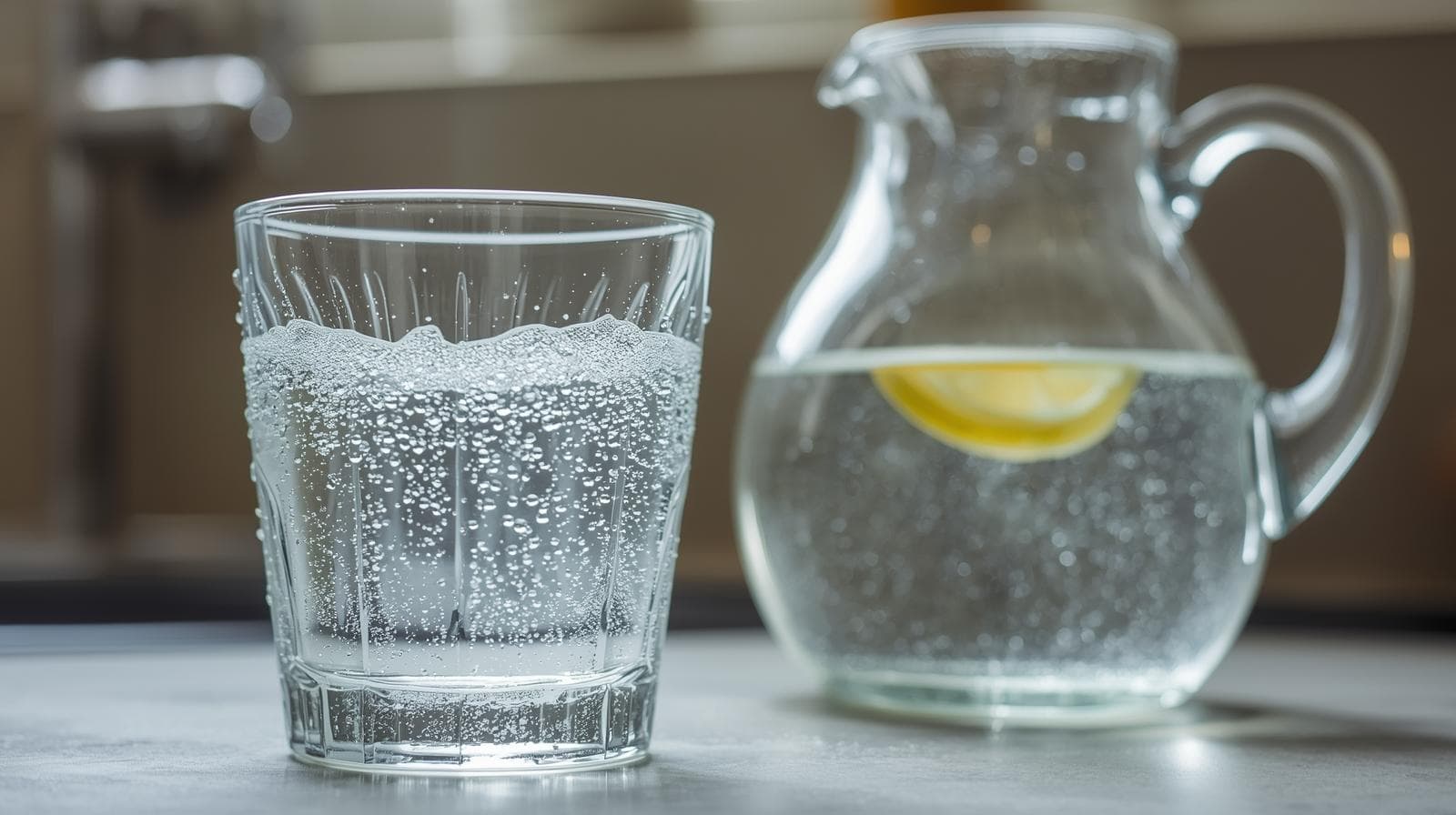
UK tap water is regulated, while household water concerns range from taste and limescale to a specific contaminant question. Different treatment formats solve different jobs, so the reason for filtering needs to come first.
Why it matters
Choosing by the actual job avoids paying for unnecessary stages or assuming one filter solves every water issue. Maintenance and replacement availability are part of performance in real life.
Common causes
- Hard-water minerals causing limescale rather than a drinking-water safety problem.
- Taste or odour differences from supply, plumbing or storage.
- Confusion between softening, filtration and specific contaminant-reduction claims.
No-spend first steps
- Check your local supplier’s water-quality information for context.
- If taste is the issue, try chilling tap water in a covered container first.
- Descale kettles and appliances appropriately when limescale is the main nuisance.
If you’re buying anything, use this calm checklist
- Choose the format around the job and household volume required.
- Check the exact reduction claim and supporting testing or certification where relevant.
- Price replacement filters and maintenance before committing.
General information only. If you have symptoms or a medical condition, consult a qualified clinician.
A reusable bottle only helps if it is comfortable to carry, easy to clean and simple enough to become part of your routine. The “best” material matters less than choosing a bottle you will refill and maintain.
This guide separates ordinary reusable bottles from filtered water bottles, because they solve different problems.
Start with where you will use it
| Routine | Sensible starting size | Features worth prioritising |
|---|---|---|
| Desk or home | 750 ml–1 litre | Wide opening, stable base, simple lid |
| Commute | 500–750 ml | Leak resistance, cup-holder fit, easy carry loop |
| Gym | 600–1,000 ml | One-handed opening, quick flow, easy cleaning |
| Walking or travel | 500 ml–1 litre | Low weight, dependable cap, replaceable parts |
| Children | Smaller and lighter | Simple opening, robust construction, clearly named materials |
Do not automatically buy the largest bottle. A full one-litre bottle adds roughly a kilogram of water before the bottle itself is counted.
Steel, glass or plastic?
Stainless steel
Steel is durable and commonly available with insulation. It suits people who want cold water for longer, but insulated bottles are heavier and their narrow necks or complex lids can be harder to clean.
Glass
Glass does not retain flavours easily and makes it simple to see whether the inside is clean. The trade-offs are weight and breakage, even when a protective sleeve is fitted.
Reusable plastic
Reusable plastic is light and usually affordable. Check that the product is intended for repeated food-and-drink contact, follow the manufacturer's temperature and dishwasher instructions, and replace it if the surface becomes badly scratched, cracked or difficult to clean.
UK food-contact materials are subject to safety requirements; the Food Standards Agency's research also notes that reusable materials bring their own durability and cleaning considerations. “Plastic-free” is therefore not a complete buying test on its own.
The lid often decides whether the bottle works
Before buying, check:
- how many seals, valves and removable pieces need cleaning;
- whether replacement lids, straws or seals are available;
- whether the drinking opening is protected inside a bag;
- whether the manufacturer actually describes it as leakproof;
- whether every component can dry fully after washing.
A simple screw cap is slower to open but often easier to clean. Straw and flip lids can be convenient, but they add small areas where residue can collect.
Cleaning matters more than premium branding
Wash the bottle and lid according to the manufacturer's instructions, paying attention to threads, seals, straws and valves. Allow all parts to dry fully before reassembly.
If you add squash, electrolytes, milk-based drinks or fruit, clean the bottle promptly rather than treating it like a water-only container. The Food Standards Agency explains why transferring bacteria between foods, surfaces and equipment matters; the same basic hygiene principle supports keeping drink-contact parts clean.
Do you need a filtered bottle?
A standard reusable bottle stores water. A filtered bottle passes water through a replaceable element and adds ongoing cost and maintenance.
Consider a filtered bottle when portability and the filter's stated purpose match a real need. For ordinary UK tap-water use, first identify what you want to change rather than assuming filtration is automatically necessary. The Drinking Water Inspectorate reports consistently high compliance with drinking-water standards in England and publishes consumer information about local water-quality concerns.
Before choosing a filtered bottle, compare:
- the specific substances the manufacturer says the filter addresses;
- the evidence or testing attached to those claims;
- litres or time between replacements;
- UK availability and price of replacement filters;
- cleaning instructions for the bottle, lid and filter housing.
See the maintained filter bottles and replacement options or browse the wider approved partner product catalogue.
A sensible decision rule
Choose the simplest bottle that fits your usual day. Add insulation only if temperature genuinely matters, and add filtration only when its specific job and ongoing replacement cost make sense.
If your real question is about home filtration rather than carrying water, start with Water Filters UK: Jug vs Under-Sink vs Gravity.
Sources and further reading
- Drinking Water Inspectorate: compliance with water-quality standards
- Drinking Water Inspectorate: consumer information
- Food Standards Agency: alternatives to single-use plastics
- Food Standards Agency: why avoiding cross-contamination matters
Last updated: 1 September 2026. Product specifications and replacement availability can change; check the current merchant information before buying.
Make the next decision easier
Occasional Wild & Well notes with practical actions, useful comparisons and no-pressure product guidance.
By subscribing you agree to our privacy policy. Unsubscribe anytime.
Related reading
Keep learning — then choose the simplest next step.
 Insight
UK 72-Hour Household Emergency Kit: What You Actually Need
A calm, practical UK checklist for three days of short-term disruption: water, food, lighting, power, communication, first aid and hygiene.
 Insight
Bamboo Toilet Paper UK: What’s Hype, What Actually Matters
Bamboo toilet paper is not automatically the greener choice. Compare fibre sourcing, processing, packaging, transport and recycled alternatives.
 Insight
Natural Candles UK: What Matters for Indoor Air
A practical UK guide to candle wax, fragrance, ventilation and the indoor-air trade-offs that matter more than the word natural.
 Explainer
Water Filter Buying Guide (UK): choose the right type first
A practical UK guide to choosing between jug, countertop, under-sink, RO, gravity and portable water filters — with replacement cost and maintenance checks before you buy.
 Explainer
Filter replacement costs: the simple way to estimate your yearly spend (UK)
A practical UK guide to the real ownership cost of air, water and shower filters — with a simple yearly-cost formula and direct routes to maintained shortlists.
 Explainer
Hard water in the UK: what it affects (and what it doesn’t)
A calm, UK-specific guide to hard water: what to expect, common myths, and how to decide between no-spend comfort changes, shower filtration, drinking-water filtration and softening.
Related shortlists
If you’re comparing products, these are built to be quick: what matters, what to avoid, and a short shortlist.
Water filtration partner shortlist (UK)
Direct partner links for bottles, jugs, under‑sink systems and shower options.
In: Home essentials
Water filters (UK)
Jugs vs under‑sink vs countertop: keep it simple, check running costs.
In: Home essentials
Shower filters (UK hard water)
Comfort‑first shortlist for hard‑water homes.
In: Home essentials