
Why it matters
- Dehydration can affect energy, mood, and physical performance.
- For active people, replacing fluids (and sometimes sodium) supports training quality and recovery.
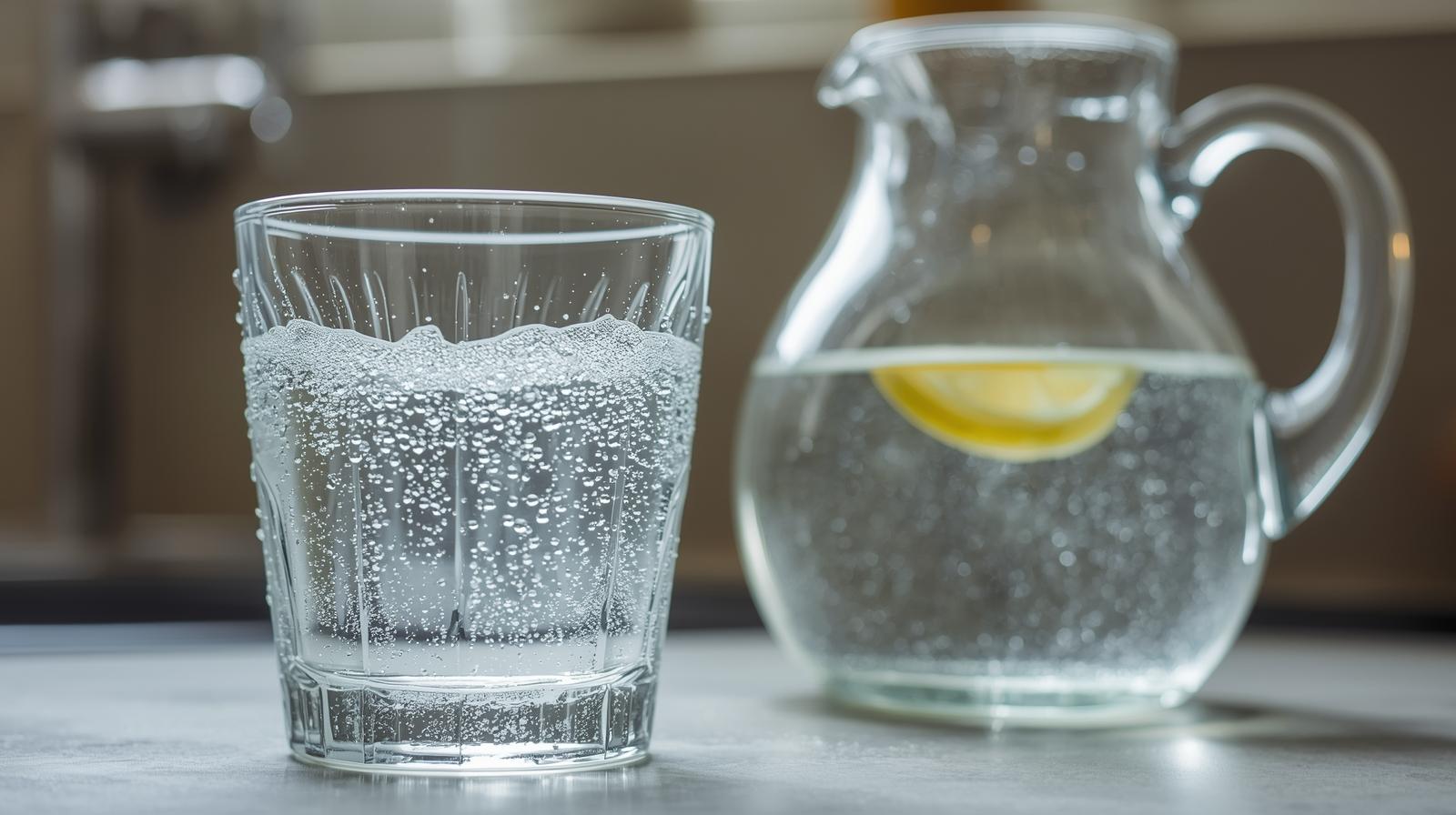
Hydration is mostly a habit problem, not a “perfect formula” problem. Start by removing friction: a bottle you like, visible water, and a simple cue.
Last updated: February 13, 2026
Understand first
Hydration is a behaviour. Most of the benefit comes from making water easier to drink consistently.
Electrolytes can help on sweaty training days — but they aren’t necessary for everyone, every day.
Continue learning
Sources & references
Before you compare products
If you want to reduce friction, compare a couple of simple tools you’ll actually use.
Shortlisted option
A bottle you like (and will clean) is often the biggest win.
Why it made the shortlist
Retailer links may be affiliate links. Product details, availability and current price are confirmed by the retailer.
Shortlisted option
Useful for longer/hot sessions. Compare sodium content and ingredients.
Why it made the shortlist
Retailer links may be affiliate links. Product details, availability and current price are confirmed by the retailer.
Shortlisted option
Keeps bottles usable long-term (and reduces the “I stopped because it got gross” problem).
Why it made the shortlist
Retailer links may be affiliate links. Product details, availability and current price are confirmed by the retailer.
Shortlisted option
If you work at a desk, a cup that stays cold/hot can make intake effortless.
Why it made the shortlist
Retailer links may be affiliate links. Product details, availability and current price are confirmed by the retailer.
Useful answers, kept short
A practical check: your urine is generally pale straw coloured (not perfectly clear all day).
If you train hard, sweat a lot, or it’s hot, you may need more fluids — and sometimes electrolytes.
Often only for longer/sweatier sessions, hot days, or if you cramp easily. For many people, water plus normal meals is enough.
If you do use them, check sodium content and avoid turning them into an “all day” habit unless you have a clear reason.
More isn’t always better. Over‑drinking can cause problems in rare cases. Aim for steady intake, and match fluids to your activity level.
In normal amounts, caffeinated drinks still count towards fluid intake for most people. Sensitivity varies, and late caffeine can hurt sleep.
Some links are affiliate links. If you buy via them, we earn a commission.