
Understand first
Education-first • not medical adviceOpen the deep dive
What’s going on
Indoor air quality is shaped by particles (dust, pollen, smoke), moisture (damp/mould risk), and gases (cooking fumes, fragranced products). The aim is to reduce exposure in the rooms you actually use.
Why it matters
Poor air can worsen comfort and may aggravate allergies or asthma in sensitive households. The practical goal is to identify the pollutant or moisture problem first, then use source control, ventilation or filtration appropriately.
Common causes
- Poor ventilation, especially during colder weather.
- Cooking fumes without effective extraction.
- Damp rooms, slow-drying laundry and unresolved moisture sources.
- Smoke, pollen, dust and fragranced products adding particles or irritants.
No-spend first steps
- Use extraction during cooking and showering and ventilate strategically.
- Measure humidity when damp or condensation is part of the problem.
- Reduce pollutants at source where practical.
- Dust and vacuum regularly in the rooms that matter most.
If you’re buying anything, use this calm checklist
- For particles, match purifier airflow and filtration to the actual room.
- For excess moisture, address leaks and ventilation before considering dehumidification.
- Check noise, electricity and replacement-filter costs before buying.
General information only. If you have symptoms or a medical condition, consult a qualified clinician.
Pet allergy is not simply an allergy to visible dog or cat hair. Allergy UK explains that allergenic proteins can be present in dander, saliva and urine. These particles can become airborne or settle into bedding, carpets and furniture.
An air purifier may reduce some airborne particles in a room, but it will not remove settled allergens, clean soft furnishings or treat the allergy. Use it as one part of exposure reduction.
Seek health advice when needed
If someone has wheezing, breathing difficulty, significant asthma symptoms or uncertainty about the trigger, use appropriate medical advice rather than relying on a new appliance. Severe breathing difficulty requires urgent help.
For ongoing symptoms, a GP or allergy professional can help distinguish pet allergy from pollen, dust mites, mould or another trigger.
Start with exposure reduction
Allergy UK’s practical measures include keeping pets out of the bedroom, avoiding pets on soft furnishings and washing pet bedding regularly.
A realistic home routine is:
- Make the main sleeping space dog-free when that is where symptoms matter most.
- Wash pet bedding and washable covers regularly, following their care labels.
- Vacuum floors and soft furnishings with suitable filtration.
- Damp-dust rather than moving settled dust back into the air.
- Groom and clean the dog appropriately, taking veterinary advice for skin problems.
- Then assess whether room air filtration adds useful support.
Hair, dander and odour are different jobs
| Problem | Primary response | What a purifier can do |
|---|---|---|
| Visible hair on floors and furniture | Vacuuming, washable covers and grooming | A pre-filter may catch some airborne hair, but it is not a vacuum |
| Airborne allergen-carrying particles | Exposure control plus particle filtration | A suitable particle filter can capture particles passing through it |
| Settled allergen reservoirs | Cleaning bedding, upholstery and surfaces | Cannot clean material the airflow does not reach |
| Pet odour | Hygiene, source control and ventilation | Carbon may help some odours; HEPA alone targets particles |
| Damp or condensation | Moisture source, extraction and humidity control | A purifier does not remove moisture |
What to check in an air purifier
Particle filtration
Look for a clearly specified replaceable particle or HEPA filter. Avoid treating vague “allergen technology” as a specification.
Room sizing and airflow
Choose the actual room you are trying to improve. Record its dimensions and compare them with the manufacturer’s airflow or CADR basis. An “up to” room claim without an air-change assumption is difficult to compare.
An accessible pre-filter
Dog hair and larger debris can load the first filtration stage. Check whether the pre-filter is accessible, how it is cleaned and whether doing so affects the warranty.
Noise at a usable speed
For a bedroom or home office, compare noise at the speed likely to be used. A powerful unit switched off because it is intrusive provides no benefit.
Replacement filters
Check the exact replacement model, current UK availability, price and expected interval. Heavy dust or pet hair can make maintenance especially important.
Use the dog and pet-allergy shortlist once you know the room and specification required, or search the current dog-home product catalogue.
Placement and operation
Follow the manufacturer’s clearance instructions and keep inlets and outlets away from curtains or furniture. Closing a purifier inside an unused room will not improve the room where exposure occurs.
Continuous, lower-speed operation may be more practical than occasional bursts, but follow the manufacturer’s instructions and consider electricity cost. Do not place cables where a dog can chew or trip over them.
What about ionisers and ozone?
Do not seek ozone generation as a wellness feature. For a home allergy purchase, prioritise straightforward mechanical particle filtration, transparent performance data and maintainability.
Air purifier or dehumidifier?
A dehumidifier is for excess moisture, condensation and damp conditions. It does not perform the same job as a particle filter. Some combination appliances include both functions, so inspect the specification carefully.
Read air purifier vs dehumidifier for mould UK when damp is part of the problem.
A sensible decision rule
- Confirm that pet allergen exposure is a plausible issue and seek medical advice for significant symptoms.
- Create a dog-free bedroom and improve cleaning before buying equipment.
- Choose the single room where filtration would be most useful.
- Compare particle filtration, airflow, noise, pre-filter access and annual filter cost.
- Review whether symptoms and household dust management actually improve; do not assume a purchase worked.
Sources
- Allergy UK: Pet allergy factsheet
- Allergy UK: Indoor air quality factsheet
- Allergy UK: Approved products
- Wild & Well: Air quality shortlist UK
Last reviewed: September 1, 2026
Make the next decision easier
Occasional Wild & Well notes with practical actions, useful comparisons and no-pressure product guidance.
By subscribing you agree to our privacy policy. Unsubscribe anytime.
Related reading
Keep learning — then choose the simplest next step.
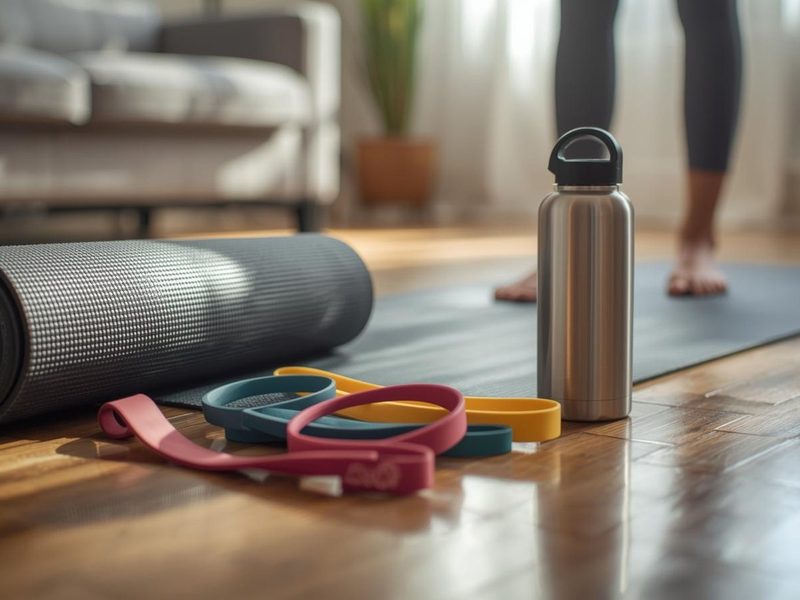 Explainer
Home strength basics for busy people
A simple UK home-strength framework using bodyweight first, progressive resistance second and the smallest routine you can repeat.
 Explainer
Food labels without the noise: a practical UK guide
How to compare UK food labels using ingredients, per-100g nutrition, front-of-pack colours and serving size without turning shopping into a nutrition exam.
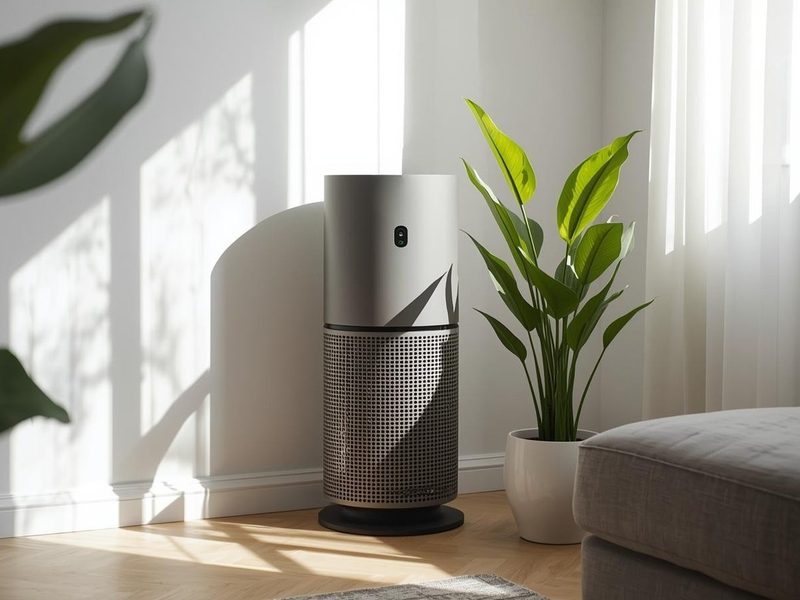 Explainer
Air Purifier for Pollen UK: What Helps During Hay Fever Season?
A practical UK guide to reducing pollen indoors, deciding whether an air purifier is worthwhile, sizing it for a bedroom and budgeting for filters.
 Insight
Dog Supplements UK: An Evidence-First Guide to Claims and Labels
How to assess UK dog supplements for joints, digestion, skin and general wellness without confusing ingredient marketing with product evidence.
 Insight
Healthy Weight and Exercise for Dogs UK: A Practical Routine
A UK guide to dog body condition, portions, treats, daily movement, tracking and signs that need veterinary advice.
InsightNatural Dog Food UK: How to Read “Complete”, Ingredients and Claims
A practical UK guide to complete and complementary dog food, ingredient lists, feeding directions, natural claims and safer food changes.