
Understand first
Education-first • not medical adviceWhy this matters (expanded)
What’s going on
Indoor air quality is shaped by particles (dust, pollen, smoke), moisture (damp/mould risk), and gases (cooking fumes, fragranced products). The aim is to reduce exposure in the rooms you actually use.
Why it matters
Poor air can worsen comfort and may aggravate allergies or asthma in sensitive households. The practical goal is to identify the pollutant or moisture problem first, then use source control, ventilation or filtration appropriately.
Common causes
- Poor ventilation, especially during colder weather.
- Cooking fumes without effective extraction.
- Damp rooms, slow-drying laundry and unresolved moisture sources.
- Smoke, pollen, dust and fragranced products adding particles or irritants.
No-spend first steps
- Use extraction during cooking and showering and ventilate strategically.
- Measure humidity when damp or condensation is part of the problem.
- Reduce pollutants at source where practical.
- Dust and vacuum regularly in the rooms that matter most.
If you’re buying anything, use this calm checklist
- For particles, match purifier airflow and filtration to the actual room.
- For excess moisture, address leaks and ventilation before considering dehumidification.
- Check noise, electricity and replacement-filter costs before buying.
General information only. If you have symptoms or a medical condition, consult a qualified clinician.
Air purifiers and dehumidifiers solve different problems, yet they are often marketed beside each other. If you are dealing with mould or damp, choosing the wrong category can waste money.
The simplest distinction
A dehumidifier removes moisture from the air.
An air purifier filters particles from the air.
If excess humidity is allowing condensation and mould to keep returning, reducing moisture is usually the more relevant first step. If humidity is already controlled but you want to reduce airborne particles, a purifier may be more relevant.
When a dehumidifier makes more sense
A dehumidifier is the stronger fit when you have signs such as:
- repeated condensation on windows;
- persistently high indoor humidity;
- laundry taking a long time to dry indoors;
- a room that feels damp;
- mould returning where moisture remains a problem.
Before buying, still check for leaks, poor extraction, blocked vents or other building issues. A dehumidifier manages moisture; it does not repair the source of water ingress.
See Best Dehumidifiers UK for the full sizing guide.
When an air purifier makes more sense
An air purifier may be useful when your priority is airborne particles such as dust, pollen or smoke and the room's humidity is already in a reasonable range.
For bedrooms and small flats, room coverage, useful-speed noise and replacement-filter cost usually matter more than app features.
See Air Purifiers for Small Flats UK or the allergy-focused purifier guide.
Can you use both?
Yes, but only when you genuinely have both problems. For example, a damp room with excessive humidity may need moisture control first, while a purifier could later be used for particle filtration.
Buying both immediately without measuring the problem usually makes less sense than identifying the main issue first.
What if there is visible mould?
The priority is to address the moisture source and clean or remediate the affected area appropriately. Do not rely on a purifier to make an unresolved damp problem disappear.
For the wider sequence, read Damp and Mould in UK Rentals: a practical guide.
Quick comparison
| Problem | More relevant starting point |
|---|---|
| Condensation | Dehumidifier / ventilation |
| High humidity | Dehumidifier |
| Dust or pollen | Air purifier |
| Smoke particles | Air purifier |
| Leak or penetrating damp | Repair the source |
| Mould plus high humidity | Moisture control first |
Ready to compare current options?
Use the Air Quality Shortlist for current dehumidifier and purifier partner options after you have identified which problem you are actually solving.
Last updated: August 27, 2026
Make the next decision easier
Occasional Wild & Well notes with practical actions, useful comparisons and no-pressure product guidance.
By subscribing you agree to our privacy policy. Unsubscribe anytime.
Related reading
Keep learning — then choose the simplest next step.
 Explainer
Home strength basics for busy people
A simple UK home-strength framework using bodyweight first, progressive resistance second and the smallest routine you can repeat.
 Explainer
Food labels without the noise: a practical UK guide
How to compare UK food labels using ingredients, per-100g nutrition, front-of-pack colours and serving size without turning shopping into a nutrition exam.
 Insight
Air Purifier for Pet Dander UK: A Healthier-Home Guide
Evidence-led UK guidance for reducing pet-allergen exposure at home, choosing an air purifier, cleaning routines, bedroom boundaries and filter costs.
 Explainer
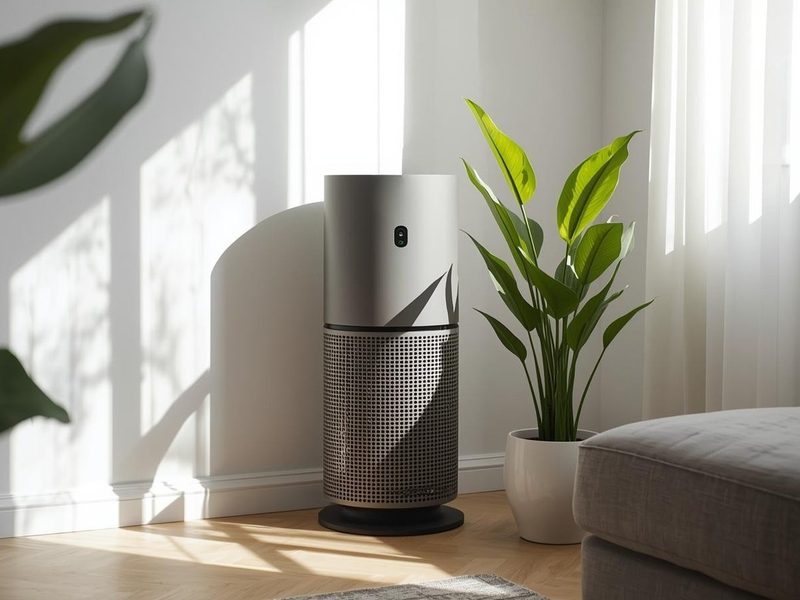
Air Purifier for Pollen UK: What Helps During Hay Fever Season?
A practical UK guide to reducing pollen indoors, deciding whether an air purifier is worthwhile, sizing it for a bedroom and budgeting for filters.
 Insight
Dog Supplements UK: An Evidence-First Guide to Claims and Labels
How to assess UK dog supplements for joints, digestion, skin and general wellness without confusing ingredient marketing with product evidence.
 Insight
Healthy Weight and Exercise for Dogs UK: A Practical Routine
A UK guide to dog body condition, portions, treats, daily movement, tracking and signs that need veterinary advice.