
Understand first
Education-first • not medical adviceWhy this matters (expanded)
What’s going on
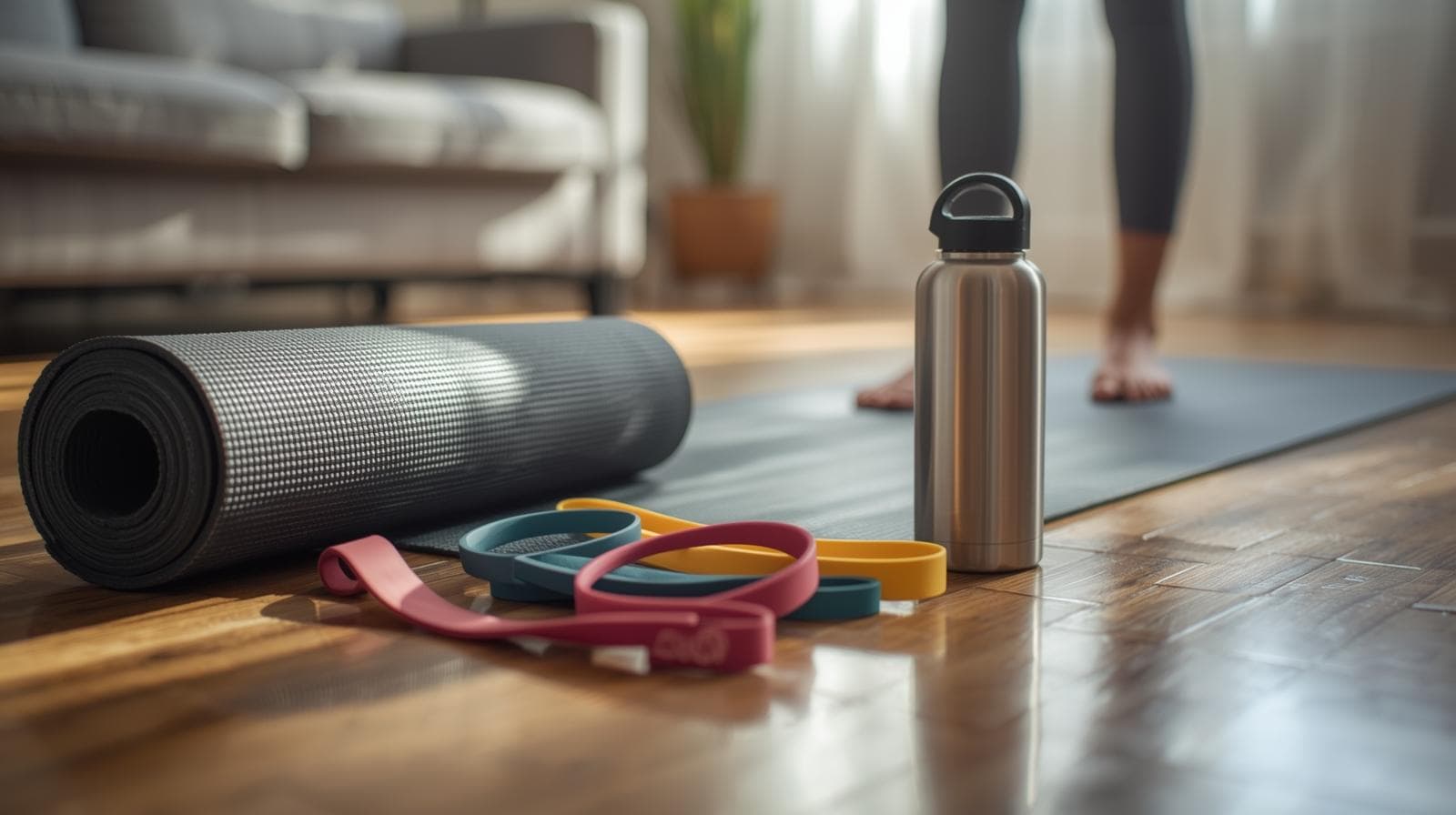
Movement does not require a complex programme or a large equipment setup. Regular walking, simple strength work and gradual progression form a practical base for most everyday movement goals.
Why it matters
The routine that is repeated matters more than the impressive routine that is abandoned. Equipment is useful when it removes a real barrier or expands what an established habit can do.
Common causes
- All-or-nothing plans that are difficult to sustain.
- Increasing volume or intensity too quickly.
- Treating tracking and equipment as the activity itself.
No-spend first steps
- Build regular walking into the week.
- Add short bodyweight strength sessions before buying a large setup.
- Increase time, distance or load gradually.
If you’re buying anything, use this calm checklist
- Name the limitation the equipment will solve before purchasing.
- Prioritise fit, comfort, returns and long-term usefulness.
- Start with the smallest setup that supports the routine.
General information only. If you have symptoms or a medical condition, consult a qualified clinician.
Walking is underrated because it looks too simple. But if you do it consistently, it improves fitness, mood, and daily energy for most people.
The real goal: consistency
Instead of obsessing over one perfect number, aim for a weekly rhythm:
- A daily “minimum walk” you can always do (even 10–15 minutes)
- A couple of longer walks when life allows
How to progress without getting fancy
Pick one knob to turn:
- add 5 minutes
- add one extra day per week
- add a small incline (if available)
- carry a light backpack sometimes
Useful gear (optional)
- Comfortable shoes matter more than anything.
- A simple tracker can help some people stay consistent.
Links:
Repeatable movement works best.
Make the next decision easier
Occasional Wild & Well notes with practical actions, useful comparisons and no-pressure product guidance.
By subscribing you agree to our privacy policy. Unsubscribe anytime.
Related reading
Keep learning — then choose the simplest next step.
 Explainer
Home strength basics for busy people
A simple UK home-strength framework using bodyweight first, progressive resistance second and the smallest routine you can repeat.
 Explainer
Food labels without the noise: a practical UK guide
How to compare UK food labels using ingredients, per-100g nutrition, front-of-pack colours and serving size without turning shopping into a nutrition exam.
 Insight
Air Purifier for Pet Dander UK: A Healthier-Home Guide
Evidence-led UK guidance for reducing pet-allergen exposure at home, choosing an air purifier, cleaning routines, bedroom boundaries and filter costs.
 Explainer
Air Purifier for Pollen UK: What Helps During Hay Fever Season?
A practical UK guide to reducing pollen indoors, deciding whether an air purifier is worthwhile, sizing it for a bedroom and budgeting for filters.
 Insight
Dog Supplements UK: An Evidence-First Guide to Claims and Labels
How to assess UK dog supplements for joints, digestion, skin and general wellness without confusing ingredient marketing with product evidence.
 Insight
Healthy Weight and Exercise for Dogs UK: A Practical Routine
A UK guide to dog body condition, portions, treats, daily movement, tracking and signs that need veterinary advice.