
Understand first
Education-first • not medical adviceWhy this matters (expanded)
What’s going on
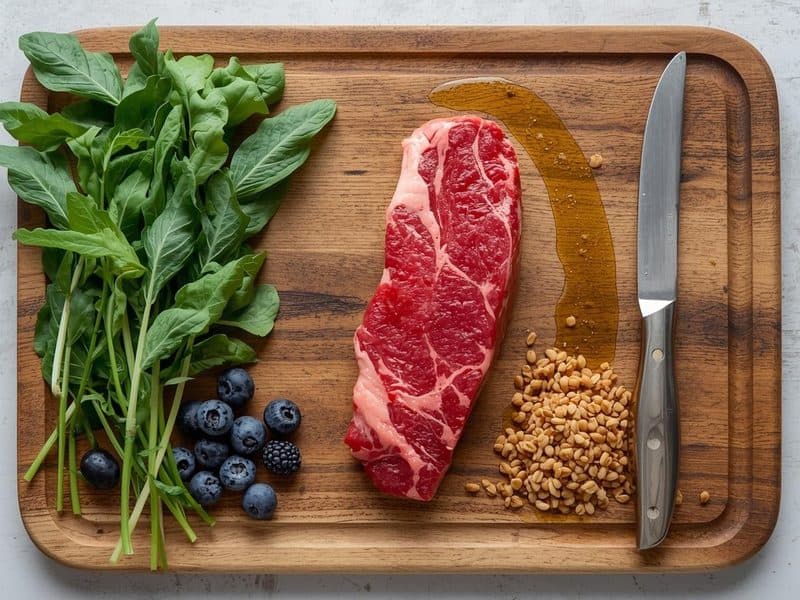
Nutrition gets confusing because marketing is loud and the basics are quiet. A practical starting point is adequate protein and fibre, a varied diet built mostly around minimally processed foods, and habits that fit normal life.
Why it matters
Simple, repeatable food choices tend to be more useful than complicated rules or constantly changing products. Supplements can have a role, but they should not displace the food and routine basics.
Common causes
- Convenience patterns crowding out useful staple foods.
- Packaged foods being judged by marketing language rather than their overall fit.
- Overcomplicated plans that are difficult to repeat.
No-spend first steps
- Add one useful protein source to a meal that is currently light on protein.
- Add a fibre-rich food such as beans, oats, fruit or vegetables regularly.
- Keep a small set of easy staples available for busy days.
If you’re buying anything, use this calm checklist
- Use convenience products to solve a real time or access problem.
- Keep supplement claims conservative and check suitability where relevant.
- Prefer products that complement rather than replace a workable diet.
General information only. If you have symptoms or a medical condition, consult a qualified clinician.
A short disruption does not require a cupboard full of specialist survival meals.
For most households, a better approach is to keep three days of food you already eat, chosen so that at least some of it can be eaten with little or no cooking.
The aim is simple: if shops are closed, card systems are unavailable, transport is disrupted or the power is off for a while, you can still feed the household without immediately needing to improvise.
Start with normal food
The easiest emergency food is familiar food with a longer shelf life.
Useful categories include:
- tinned fish, meat, beans and pulses;
- nut butters;
- oatcakes, crackers or crispbreads;
- oats and simple cereals;
- dried fruit and nuts;
- shelf-stable milk or suitable alternatives;
- tins or jars of fruit and vegetables;
- ready-to-eat meals that suit your household;
- baby food, pet food and specialist dietary products where required.
Rotate these through normal meals rather than building a forgotten emergency cupboard.
Plan for no cooking
A power cut can remove the hob, oven, microwave and kettle at the same time.
Make sure part of your three-day food buffer can be eaten safely without heating. That could be as simple as tinned fish, nut butter, crackers, fruit, shelf-stable milk and ready-to-eat foods.
If you store canned food, keep a manual can opener with it.
Water matters more than food variety
Dry foods can increase water needs, and some meals require water to prepare.
Plan food and water together. Our 72-hour household water plan explains the drinking-water side in more detail.
Do not rely on the freezer
A full freezer can stay cold for a while if it remains closed, but the exact safe time depends on the appliance, room temperature and how often the door is opened.
Treat frozen food as a bonus, not your only emergency food supply.
If a prolonged power cut occurs, follow current food-safety advice rather than guessing whether food is safe because it still feels cool.
Build the buffer gradually
You do not need a separate £200 shopping trip.
Add one or two useful items to normal shopping until you have a comfortable three-day buffer, then rotate them through ordinary meals.
This keeps cost down and avoids waste.
Household-specific planning
A generic list is not enough for every home. Consider:
- babies and young children;
- allergies and intolerances;
- diabetes or other dietary requirements;
- elderly household members;
- pets;
- prescription nutrition products;
- anyone who struggles to chew or swallow certain foods.
A simple three-day framework
Rather than planning nine elaborate meals, think in categories:
Protein: tinned fish, meat, beans, pulses, nut butter.
Carbohydrate: oats, crackers, cereal, wraps or other shelf-stable staples.
Fruit and vegetables: tins, jars, dried fruit and fresh produce that keeps well.
Fluids: stored drinking water first; shelf-stable milk can add variety but does not replace water.
Comfort: tea, coffee or a small familiar snack can make an inconvenient few days feel much more normal.
What not to buy first
Specialist freeze-dried meals, huge sacks of food and expensive long-life kits are rarely the best first step for an ordinary household.
Before buying something specifically for emergencies, ask whether your household would actually eat it, whether it needs cooking, and whether you can rotate it through normal use.
The Wild & Well rule
Store what you eat, and eat what you store.
A small rotating buffer of normal food is cheaper, easier to maintain and more useful than a cupboard of unfamiliar products bought out of fear.
For the full household checklist, see our UK 72-hour household emergency kit guide, or browse the Practical Resilience hub.
Make the next decision easier
Occasional Wild & Well notes with practical actions, useful comparisons and no-pressure product guidance.
By subscribing you agree to our privacy policy. Unsubscribe anytime.
Related reading
Keep learning — then choose the simplest next step.
 Insight
UK 72-Hour Household Emergency Kit: What You Actually Need
A calm, practical UK checklist for three days of short-term disruption: water, food, lighting, power, communication, first aid and hygiene.
 Insight
Indoor Air During Smoke or Pollution Events (UK): A Practical Home Guide
Practical UK steps for reducing indoor smoke and particle exposure: ventilation timing, HEPA filtration, room setup and what air purifiers can and cannot do.
 Insight
UK Power Cut Preparation: What Actually Helps at Home
A practical UK guide to short power cuts: lighting, phone power, food safety, warmth, communication and when a larger battery system may be worth considering.
 Insight
72-Hour Household Water Plan (UK): Storage, Filtration and What to Do in an Outage
A practical UK guide to keeping enough drinking water for 72 hours, storing it safely, and understanding when filtration can and cannot help.
 Explainer
Food labels without the noise: a practical UK guide
How to compare UK food labels using ingredients, per-100g nutrition, front-of-pack colours and serving size without turning shopping into a nutrition exam.
 Explainer
Home strength basics for busy people
A simple UK home-strength framework using bodyweight first, progressive resistance second and the smallest routine you can repeat.
Related shortlists
If you’re comparing products, these are built to be quick: what matters, what to avoid, and a short shortlist.
Chia seeds (UK)
Simple add‑ins for oats, yoghurt, smoothies.
In: Nutrition staples (UK)
Flaxseed (UK)
Ground vs whole: easy, practical shortlist.
In: Nutrition staples (UK)
High‑protein meal prep (UK)
Meal prep as a bridge on busy weeks: reduce decision fatigue, keep it food-first.
In: Nutrition staples (UK)
Dog wellness & pet-allergy shortlist (UK)
Evidence-led dog-home options, starting with approved pet-dander air filtration.
In: Home essentials
Air quality partner shortlist (UK)
Direct partner links for air purifiers, dehumidifiers, filters and airflow options.
In: Home essentials
Water filtration partner shortlist (UK)
Direct partner links for bottles, jugs, under‑sink systems and shower options.
In: Home essentials