
Fibre & gut health: a practical guide
Why fibre matters, where it’s missing in modern diets, and easy ways to increase it without turning your life upside down.
Understand first
Education-first • not medical adviceWhy this matters (expanded)
What’s going on
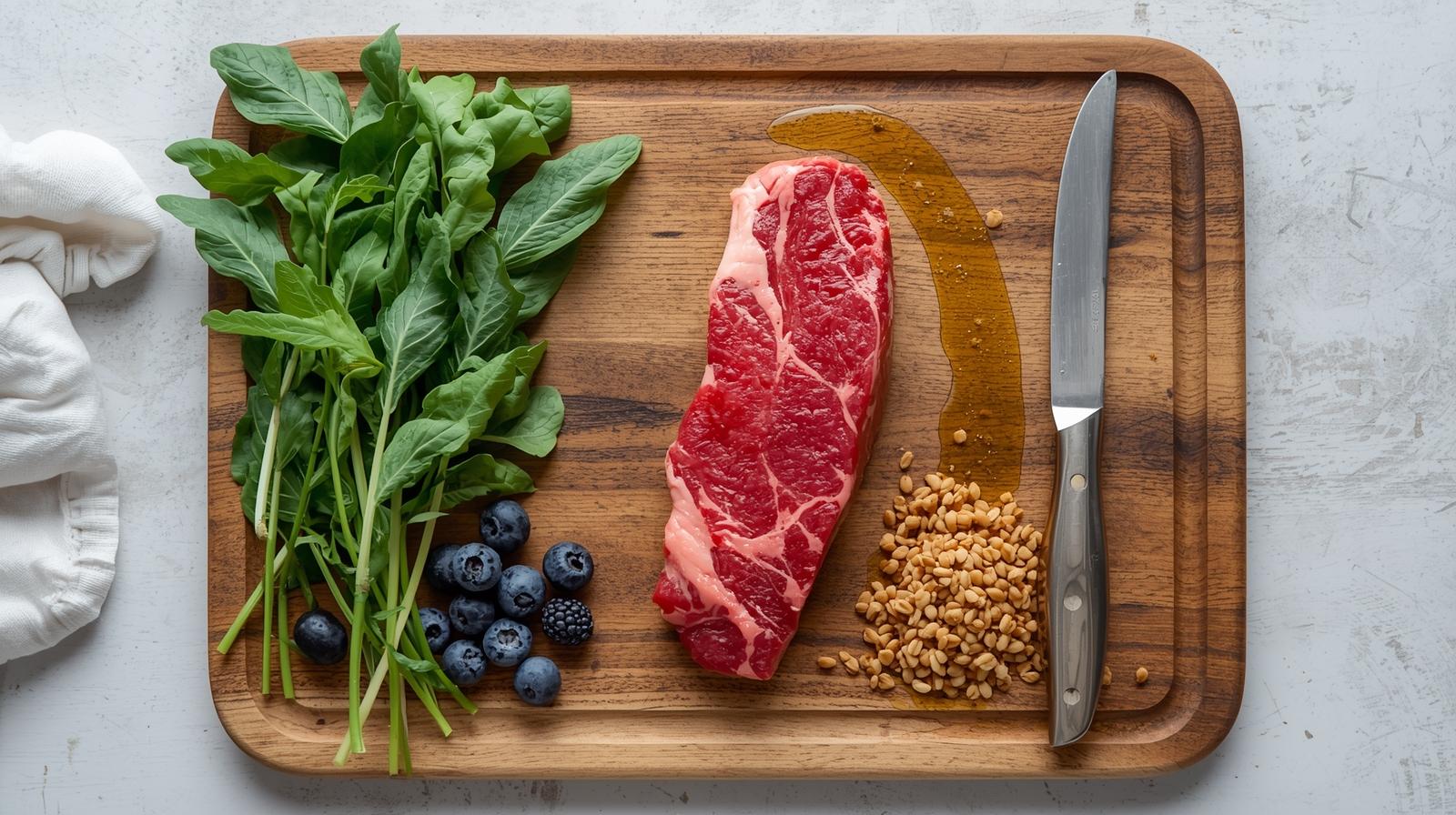
Nutrition gets confusing because marketing is loud and the basics are quiet. The practical focus is: enough protein and fibre, mostly minimally processed foods, and habits you can repeat.
Why it matters
Protein supports muscle and appetite; fibre supports digestion and helps meals feel more satisfying. Simple defaults tend to beat complicated rules.
Common causes
- Convenience foods crowding out high-fibre staples (beans, oats, veg).
- “Healthy” snacks still being low-protein/low-fibre.
- Under-eating at meals → overeating later.
No-spend first steps
- Add one protein anchor to breakfast or lunch (eggs, yoghurt, beans, fish).
- Add one fibre boost daily (oats, lentils, berries, seeds).
- Keep “easy staples” stocked to reduce decision fatigue.
If you’re buying anything, use this calm checklist
- If using powders/supplements: use as a bridge, not a replacement for food.
- Pick simple ingredient lists; avoid mega-blends with wild claims.
- Track tolerance (especially for gut-sensitive people).
General information only. If you have symptoms or a medical condition, consult a qualified clinician.
If there’s one nutrition “upgrade” that shows up again and again, it’s more fibre.
Not because fibre is trendy — but because modern diets make it unusually easy to eat lots of calories with very little fibre.
Why fibre matters
Fibre is linked with:
- Better digestive regularity
- Improved satiety (you feel full)
- Healthier blood sugar response (for many people)
- Supporting a diverse gut microbiome (what you feed the microbes matters)
You don’t need perfect numbers. You need repeatable habits.
Why people struggle in 2026
A few modern realities:
- Many “healthy” snacks are still low-fibre
- Convenience foods crowd out legumes/veg
- People fear carbs, so they avoid fibre-rich foods like oats and beans
The simplest ways to add fibre (no spreadsheet required)
Pick two of these and you’re already ahead:
- Oats (porridge / overnight oats)
- Beans/lentils (a tin into a meal twice a week)
- Berries (frozen is fine)
- Seeds (chia or ground flax)
- Veg at lunch and dinner (one “extra veg” default)
Smart supplements vs real food
If you’re considering a fibre supplement, start with food first. If you still want a supplement, keep it simple and increase slowly — and be mindful of your tolerance.
Practical product shortlists
Tip: If you’re new to seeds, start small and increase gradually.
Free: Low‑Tox Shopping List
A beginner-friendly shortcut with simple swaps for air, water, cleaning and sleep — in plain English.
By subscribing you agree to our privacy policy. Unsubscribe anytime.
Related reading
Keep learning — then choose the simplest next step.
 Insight
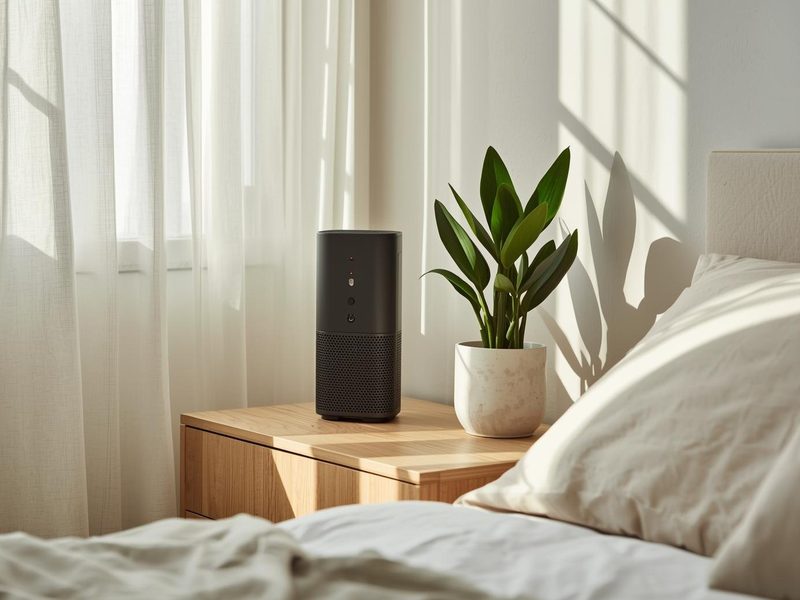
Damp & Mould in UK Rentals: the practical playbook
A simple, evidence-led checklist for renters: measure humidity, reduce moisture, improve ventilation, and document issues properly.
 Explainer
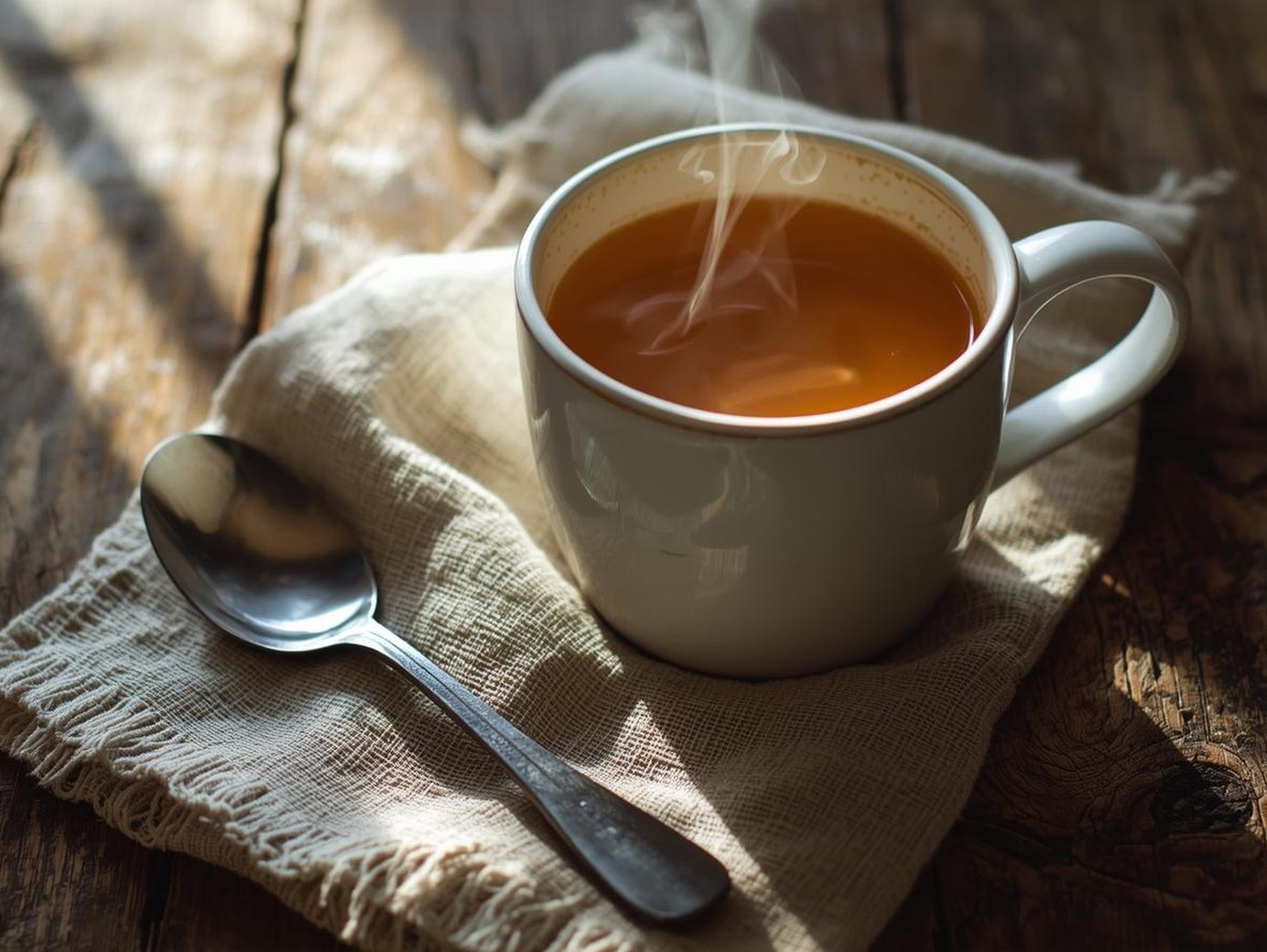
Bone broth: benefits, what it replaces, and an easy way to use it
A practical guide to bone broth: where it can help, what it replaces well, and how to use it as a simple savoury staple.
 Explainer
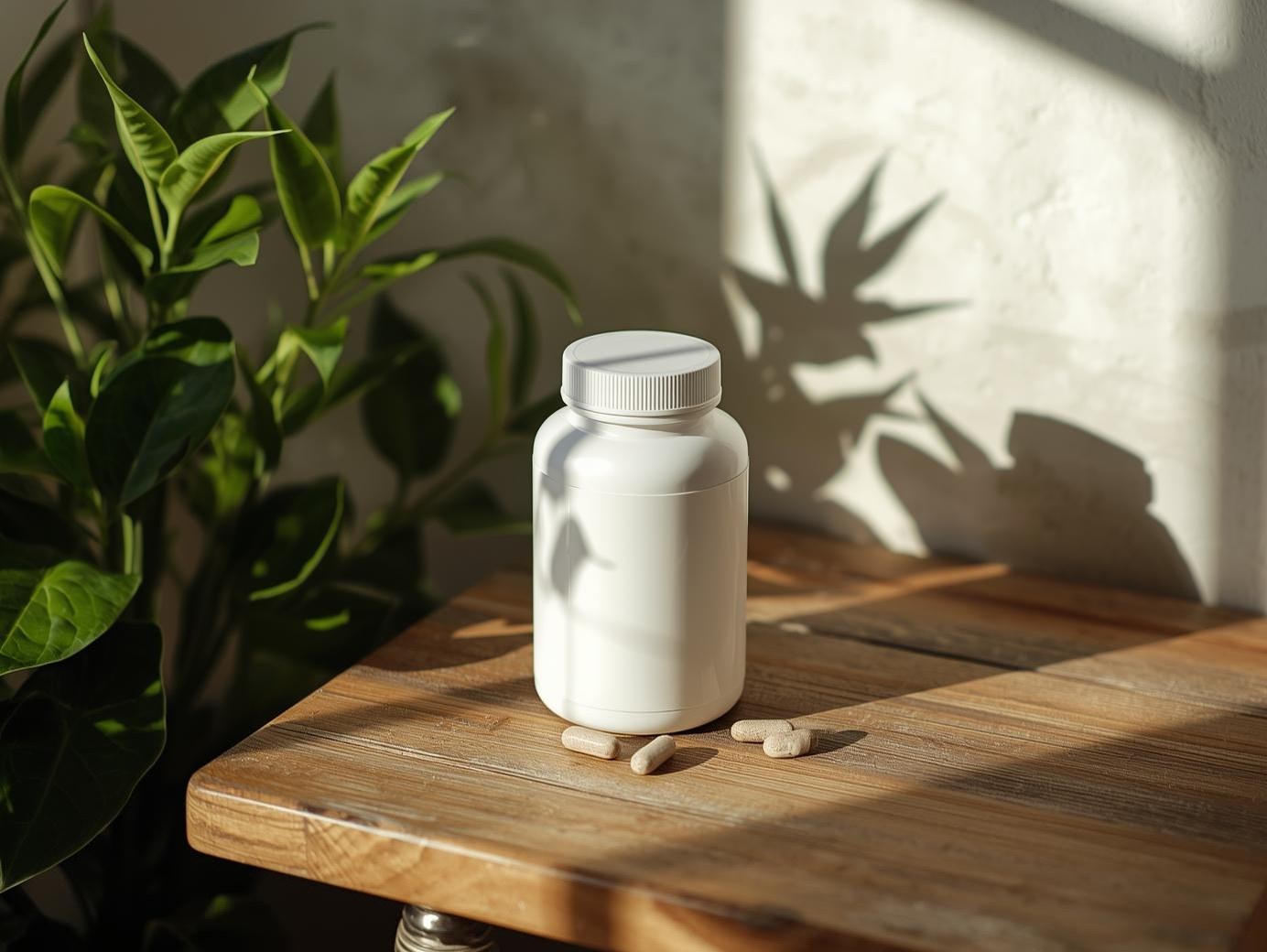
Creatine (UK): what it is, how to take it, and who it’s for
A simple, evidence-led guide to creatine monohydrate: benefits, dosing, timing, and common myths.
 Insight
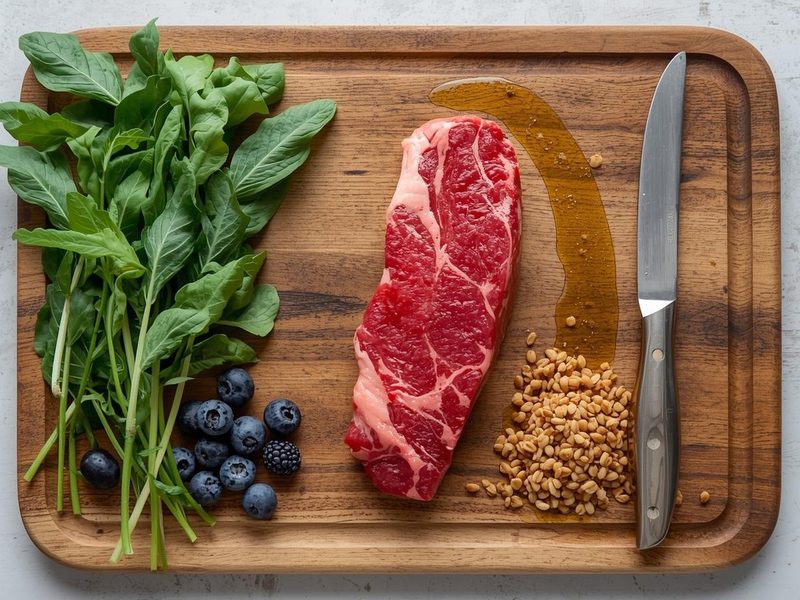
Protein basics in plain English (UK)
What protein does, why it helps with appetite and strength, and easy UK-friendly ways to hit a reasonable intake — without turning meals into spreadsheets.
 Insight
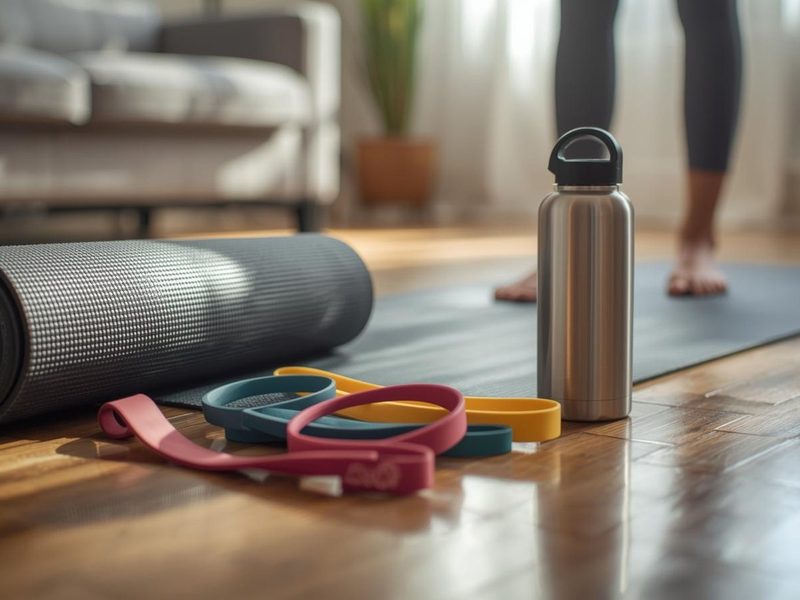
A simple weekly movement plan (beginners)
Why movement improves health (even without weight loss) — and a realistic 7‑day plan you can repeat: walking + two strength sessions + short mobility.
InsightHome strength basics for busy people
A simple way to build a repeatable home strength routine using bodyweight first — with resistance bands as an optional upgrade.
Explore
Related sections of the site.
Some links are affiliate links. If you buy via them, we earn a commission.