
Understand first
Education-first • not medical adviceWhy this matters (expanded)
What’s going on
Indoor air quality is shaped by particles (dust, pollen, smoke), moisture (damp/mould risk), and gases (cooking fumes, fragranced products). The aim is to reduce exposure in the rooms you actually use.
Why it matters
Poor air can worsen comfort and may aggravate allergies or asthma in sensitive households. The practical goal is to identify the pollutant or moisture problem first, then use source control, ventilation or filtration appropriately.
Common causes
- Poor ventilation, especially during colder weather.
- Cooking fumes without effective extraction.
- Damp rooms, slow-drying laundry and unresolved moisture sources.
- Smoke, pollen, dust and fragranced products adding particles or irritants.
No-spend first steps
- Use extraction during cooking and showering and ventilate strategically.
- Measure humidity when damp or condensation is part of the problem.
- Reduce pollutants at source where practical.
- Dust and vacuum regularly in the rooms that matter most.
If you’re buying anything, use this calm checklist
- For particles, match purifier airflow and filtration to the actual room.
- For excess moisture, address leaks and ventilation before considering dehumidification.
- Check noise, electricity and replacement-filter costs before buying.
General information only. If you have symptoms or a medical condition, consult a qualified clinician.
For a bedroom, the 'best' air purifier is not necessarily the biggest or the one with the longest feature list. It is the unit that can move enough air for your room, at a noise level you will actually tolerate, with filters you can afford to replace.
Start with the problem
An air purifier is most relevant when you are trying to reduce airborne particles such as pollen, fine dust or other particulates captured by the filter system.
It is not a universal fix for every bedroom problem.
- Condensation or high humidity? Look at ventilation, moisture sources and potentially a dehumidifier.
- Stale air or high indoor CO2? A purifier does not replace ventilation.
- Persistent damp or a leak? Find the moisture source.
- Strong odours? Source control and ventilation come first; carbon filtration may provide additional support for some odours.
For the broader decision, read Healthy Air at Home.
1. Size it to the bedroom
Do not buy solely from a vague 'up to X square metres' claim. Compare the manufacturer's airflow or clean-air performance information and consider the room volume and the fan speed you will realistically use.
A purifier that only achieves useful air cleaning on a setting you find intolerably loud is poorly matched to a bedroom.
If the bedroom is part of a small flat, our air purifiers for small flats UK guide goes deeper into compact-space choices.
2. Compare night noise at a useful speed
Very low sleep-mode figures can look impressive, but the quietest setting may also move less air. Compare noise and cleaning performance together.
Ask yourself whether you intend to:
- run the purifier continuously on a lower setting;
- run it harder before bed and reduce the speed overnight; or
- use automatic control where the model supports it.
The best routine is the one you will actually keep using.
3. Check replacement filters before buying
A purifier is a recurring-cost product. Before buying the machine, find the replacement filter and check:
- current price;
- expected replacement guidance;
- whether it is readily available in the UK;
- whether one filter combines particle and carbon stages or uses separate consumables.
A cheap purifier with awkward or expensive filters can become the more expensive ownership choice.
See UK filter replacement costs for the wider ownership-cost checklist.
4. Think about placement
Give the unit enough clearance for its air intake and outlet according to the manufacturer's instructions. Avoid burying it behind furniture simply because that looks tidier.
For allergy use, cleaning still matters too. Filtration works on particles that reach the unit; it does not remove settled dust from surfaces or replace sensible source control.
5. Decide whether carbon filtration matters
Particle filtration and gas/odour adsorption are different jobs. If odours are part of the reason you are buying, inspect the carbon stage rather than assuming the word 'HEPA' covers everything.
For pollen and allergy-focused comparison, continue to Air Purifiers for Allergies UK.
Bedroom purifier checklist
Before spending money, answer these five questions:
- What airborne problem am I trying to reduce?
- What is the bedroom size?
- What fan speed will I realistically tolerate at night?
- What does the replacement filter cost?
- Can I place the unit where air can move freely around it?
If you cannot answer those yet, do not choose by brand alone.
Ready to compare?
Wild & Well keeps the current commercial options together rather than duplicating a different shopping list in every article. Use the Air Quality shortlist when you are ready to compare partner options.
If your actual problem is bedroom condensation rather than airborne particles, use Dehumidifier for Bedroom Condensation UK instead.
Last updated: August 27, 2026
Make the next decision easier
Occasional Wild & Well notes with practical actions, useful comparisons and no-pressure product guidance.
By subscribing you agree to our privacy policy. Unsubscribe anytime.
Related reading
Keep learning — then choose the simplest next step.
 Insight
Dogs and Fireworks UK: A Calm, Safe Household Plan
A practical UK plan for helping a dog through fireworks: prepare a safe space, adjust walks, reduce escape risk, recognise distress and know when to call your vet.
 Explainer
Home strength basics for busy people
A simple UK home-strength framework using bodyweight first, progressive resistance second and the smallest routine you can repeat.
 Explainer
Food labels without the noise: a practical UK guide
How to compare UK food labels using ingredients, per-100g nutrition, front-of-pack colours and serving size without turning shopping into a nutrition exam.
 Insight
Air Purifier for Pet Dander UK: A Healthier-Home Guide
Evidence-led UK guidance for reducing pet-allergen exposure at home, choosing an air purifier, cleaning routines, bedroom boundaries and filter costs.
 Explainer
Air Purifier for Pollen UK: What Helps During Hay Fever Season?
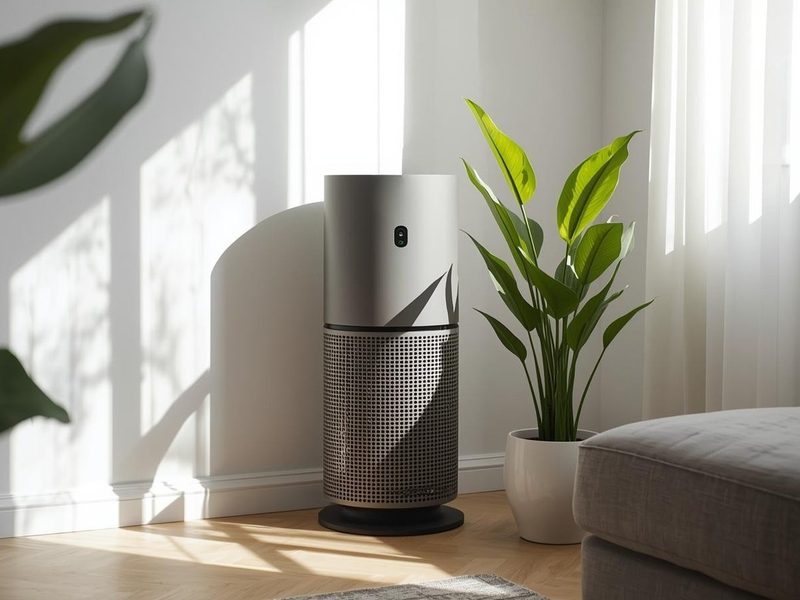
A practical UK guide to reducing pollen indoors, deciding whether an air purifier is worthwhile, sizing it for a bedroom and budgeting for filters.
InsightDog Supplements UK: An Evidence-First Guide to Claims and Labels
How to assess UK dog supplements for joints, digestion, skin and general wellness without confusing ingredient marketing with product evidence.